
Foundation Diploma
in Fashion Design
in Fashion Design
The AMDT Creative Foundation Experience
Foundation Diploma
in Fashion Design
The AMDT Creative Foundation Experience
The AMDT Creative Foundation Experience
The Foundation Diploma in Fashion Design is a studio-led, portfolio-based programme designed and delivered by AMDT School of Creativity.
It is built to develop creative voice, independent thinking and a structured design process — preparing students for higher education and long-term creative careers in fashion and the wider creative industries.
This is not simply a foundation year.
It is the AMDT Creative formation experience.
The Foundation Diploma in Fashion Design is a studio-led, portfolio-based programme designed and delivered by AMDT School of Creativity.
It is built to develop creative voice, independent thinking and a structured design process — preparing students for higher education and long-term creative careers in fashion and the wider creative industries.
This is not simply a foundation year.
It is the AMDT Creative formation experience.
The Evolution of Fashion
Fashion has moved beyond seasonal collections and trend cycles. It now operates at the intersection of:
+ Culture and identity
+ Sustainability and ethics
+ Digital media and branding
+ AI-supported design workflows
+ Global manufacturing systems
Traditional technical training alone is no longer sufficient. Designers must investigate context, experiment with form and material, evaluate impact, and communicate meaning.
This programme reflects that evolution. It is built around structured investigation, experimentation, evaluation, realisation, communication and self-directed practice — aligning creative development with contemporary fashion realities.
Fashion education must now prepare adaptable thinkers. This Foundation Diploma is structured to do exactly that.

The Evolution of Fashion
Fashion has moved beyond seasonal collections and trend cycles. It now operates at the intersection of:
- Culture and identity
- Sustainability and ethics
- Digital media and branding
- AI-supported design workflows
- Global manufacturing systems
Traditional technical training alone is no longer sufficient. Designers must investigate context, experiment with form and material, evaluate impact, and communicate meaning.
This programme reflects that evolution. It is built around structured investigation, experimentation, evaluation, realisation, communication and self-directed practice — aligning creative development with contemporary fashion realities.
Fashion education must now prepare adaptable thinkers. This Foundation Diploma is structured to do exactly that.
About the Programme
Fashion Design is the disciplined transformation of research and ideas into garments, collections and visual narratives that communicate intention.
This programme is delivered through:
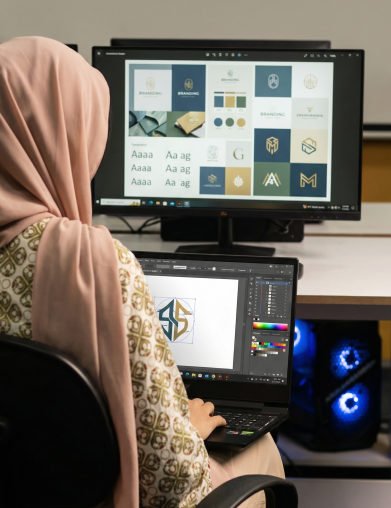
+ Studio-based learning
+ Project-driven exploration
+ Research-informed practice
+ Continuous critique and reflection
+ Iterative development
+ A final major project
The year is structured in two phases:
Exploratory Phase
Students experiment broadly across textile manipulation, form, silhouette, cultural research and sustainable considerations.
Confirmatory Phase
Students undertake a self-directed Final Major Project, defining a personal fashion direction and producing a resolved body of work supported by a clear proposal.
About the Programme
Fashion Design is the disciplined transformation of research and ideas into garments, collections and visual narratives that communicate intention.
This programme is delivered through:
- Studio-based learning
- Project-driven exploration
- Research-informed practice
- Continuous critique and reflection
- Iterative development
- A final major project
The year is structured in two phases:
Exploratory Phase
Students experiment broadly across textile manipulation, form, silhouette, cultural research and sustainable considerations.
Confirmatory Phase
Students undertake a self-directed Final Major Project, defining a personal fashion direction and producing a resolved body of work supported by a clear proposal.
Foundation Diploma in Fashion Design vs Traditional Fashion Courses
Traditional Fashion Courses Often Focus On:
+ Software training
+ Pattern drafting in isolation
+ Step-by-step garment construction
+ Replicating trends
+ Technical execution without conceptual framing
This Programme Develops:
+ Conceptual depth
+ Structured creative methodology
+ Cultural and contextual understanding
+ Independent research
+ Iterative experimentation
+ Ethical and sustainable awareness
+ Responsible AI-supported research and ideation
+ Clear portfolio communication
Traditional skills are taught within the programme, but Fashion Design defines how and why those skills are used.
The distinction lies in integration — connecting research, material experimentation and presentation into a coherent creative identity.

Foundation Diploma in Fashion Design vs Traditional Fashion Courses
Traditional Fashion Courses Often Focus On:
+ Software training
+ Pattern drafting in isolation
+ Step-by-step garment construction
+ Replicating trends
+ Technical execution without conceptual framing
This Programme Develops:
+ Conceptual depth
+ Structured creative methodology
+ Cultural and contextual understanding
+ Independent research
+ Iterative experimentation
+ Ethical and sustainable awareness
+ Responsible AI-supported research and ideation
+ Clear portfolio communication
Traditional skills are taught within the programme, but Fashion Design defines how and why those skills are used.
The distinction lies in integration — connecting research, material experimentation and presentation into a coherent creative identity.

What You Will Become
Graduates of the Foundation Diploma in Fashion Design develop:
+ A structured fashion design process
+ Confidence in creative decision-making
+ Strong portfolio presentation skills
+ Awareness of sustainability and ethics
+ Preparedness for higher education
+ Adaptability to evolving fashion systems
Potential progression routes include:
+ Fashion Design degrees
+ Textile and Surface Design
+ Fashion Communication
+ Fashion Branding
+ Costume and Performance Design
+ Sustainable Fashion pathways
Students may progress to an Advanced Diploma (240 credits, Level 5 equivalent) and thereafter to a final-year Top-Up Honours Degree to achieve a 360-credit qualification, subject to entry requirements.
What You Will Become
Graduates of the Foundation Diploma in Fashion Design develop:
- A structured fashion design process
- Confidence in creative decision-making
- Strong portfolio presentation skills
- Awareness of sustainability and ethics
- Preparedness for higher education
- Adaptability to evolving fashion systems
Potential progression routes include:
- Fashion Design degrees
- Textile and Surface Design
- Fashion Communication
- Fashion Branding
- Costume and Performance Design
- Sustainable Fashion pathways
Students may progress to an Advanced Diploma (240 credits, Level 5 equivalent) and thereafter to a final-year Top-Up Honours Degree to achieve a 360-credit qualification, subject to entry requirements.
Learning Outcomes
By the end of the programme, students will be able to:
Foundations in Fashion
- Conduct research to inform design concepts
- Analyse cultural, historical and contemporary fashion contexts
- Develop structured proposals for fashion projects
Creative Thinking & Concept Development
- Generate original fashion concepts
- Experiment with textiles, materials and silhouette
- Translate research into design outcomes
Applied Professional Practice
- Realise garments and artefacts with technical competence
- Present fashion work professionally in physical and digital formats
- Communicate ideas clearly to defined audiences
Responsible AI Integration
- Use AI tools for research assistance and visual exploration
- Critically evaluate AI-generated references
- Maintain originality and authorship
Creative Voice Development
- Articulate personal design direction
- Demonstrate independent creative judgement
- Reflect critically to refine work
Portfolio & Progression Readiness
- Build a curated fashion portfolio
- Prepare for interviews and higher education progression
- Demonstrate readiness for Level 4 study
Developing Your Creative Voice
Creative voice is not accidental. It emerges through disciplined practice.
Students are encouraged to:
- Question assumptions
- Explore risk within structured boundaries
- Participate in critique sessions
- Reflect on decisions
- Refine work iteratively
Studio dialogue and feedback play a central role in helping students understand not only what they design — but why.
Creative voice becomes the foundation for future employability and academic progression.

How Learning Happens at AMDT School of Creativity
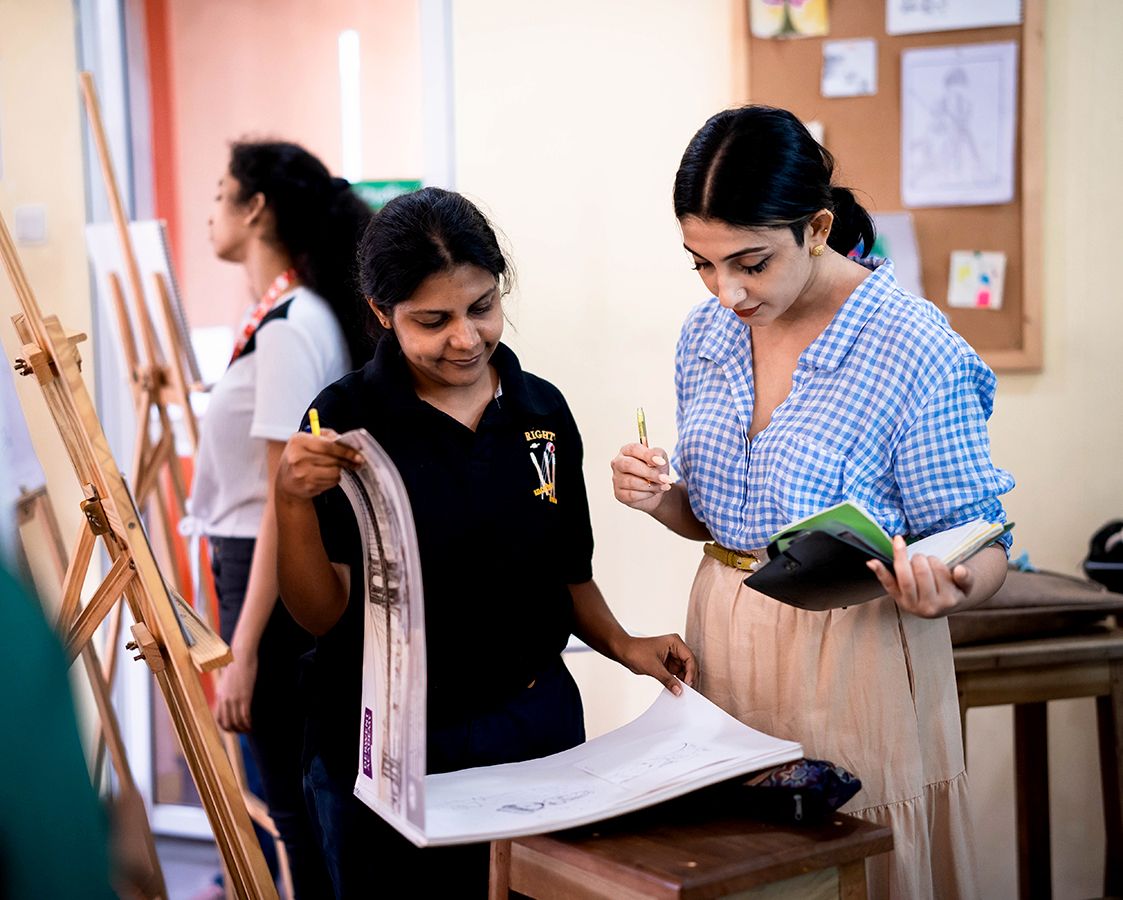
Learning is delivered through:
- Studio-based workshops
- Demonstrations and material exploration
- Structured project briefs
- One-to-one mentoring
- Peer critiques
- Industry-informed discussions
Assessment is:
- 100% internally assessed
- Portfolio-based
- Holistic
- Process-driven
There are no written examinations.
Students are assessed on development, experimentation, evaluation and final realisation — not memory-based testing.
How Learning Happens at AMDT School of Creativity
Learning is delivered through:
- Studio-based workshops
- Demonstrations and material exploration
- Structured project briefs
- One-to-one mentoring
- Peer critiques
- Industry-informed discussions
Assessment is 100% internally assessed, portfolio-based, holistic and process-driven. There are no written examinations.
Students are assessed on development, experimentation, evaluation and final realisation — not memory-based testing.
Dual Qualification Advantage
Primary Qualification
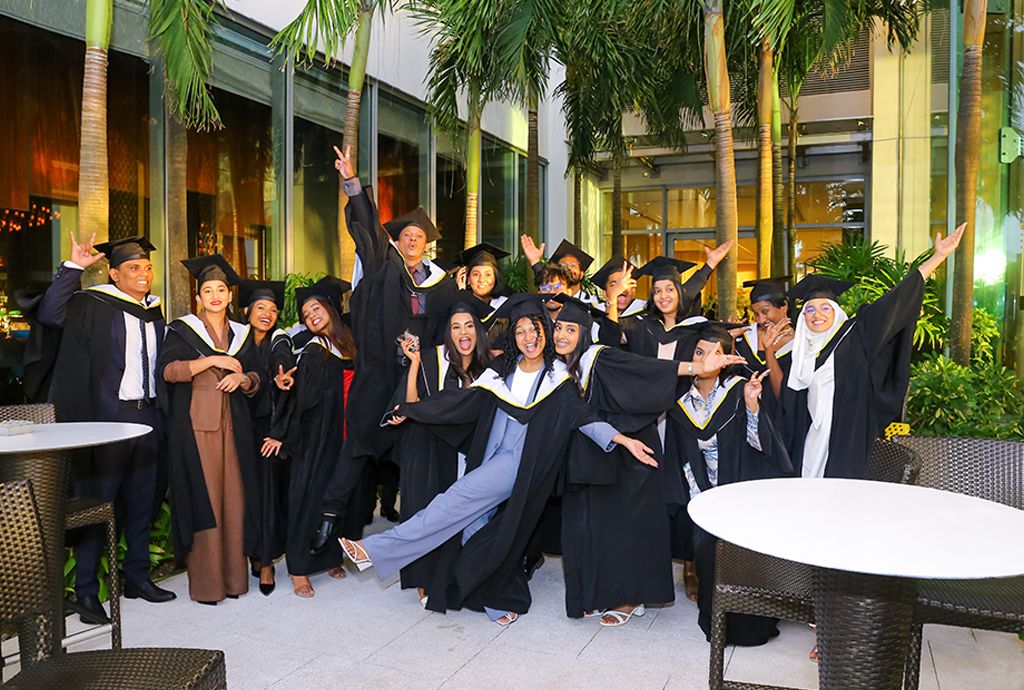
Foundation Diploma in Fashion Design awarded by AMDT.
This is the core creative programme — fashion-focused and studio-driven.
Secondary Qualification
+ Pearson BTEC Level 3 Foundation Diploma in Art, Design and Media Practice (UK RQF Level 3)
+ Pearson provides an internationally recognised academic framework.
+ AMDT provides the fashion-specific creative formation experience.
+ The AMDT qualification defines the identity and depth of the programme.
+ The Pearson qualification supports international academic alignment.
The AMDT Advantage
While some institutions may offer foundation qualifications within the same academic framework, the AMDT Foundation Diploma is distinct because of:
- Dual Qualification Advantage (AMDT + Pearson BTEC Level 3)
- Integrated 120 → 240 → 360 credit progression structure
- Established academic board governance
- ISO 9001-aligned quality management
- ISO 21001-aligned educational management systems
- Structured internal verification and moderation
- Dedicated studio environment
- Continuous mentoring
- Cross-disciplinary exposure
The academic framework provides international benchmarking.
The creative formation, mentorship and ecosystem are uniquely AMDT.

Academic Credit Framework & UK Alignment
This programme aligns with recognised UK higher education credit structures.
- Level 3 Foundation Diploma (RQF Level 3)
- Advanced Diploma = 240 credits (Level 5 equivalent)
- Honours Degree = 360 credits
- Final-Year Top-Up = 120 credits
Students who complete structured progression may advance toward a 360-credit Honours Degree pathway, subject to entry requirements of the receiving institution.
Aligned with the UK higher education credit framework.
Academic Credit Framework & UK Alignment
This programme aligns with recognised UK higher education credit structures.
- Level 3 Foundation Diploma (RQF Level 3)
- Advanced Diploma = 240 credits (Level 5 equivalent)
- Honours Degree = 360 credits
- Final-Year Top-Up = 120 credits
Students who complete structured progression may advance toward a 360-credit Honours Degree pathway, subject to entry requirements of the receiving institution.
Aligned with the UK higher education credit framework.
Quality Assurance, Monitoring & Enhancement
The programme operates within a structured quality system that includes:
- Internal verification and moderation
- Annual UK monitoring (for Pearson programmes)
- Academic board oversight
- ISO 9001-aligned quality management systems
- ISO 21001-aligned educational management systems
- Structured student feedback mechanisms
- Industry advisory engagement
Quality assurance supports structured academic progression and consistent standards.
Quality Assurance, Monitoring & Enhancement
The programme operates within a structured quality system that includes:
- Internal verification and moderation
- Annual UK monitoring (for Pearson programmes)
- Academic board oversight
- ISO 9001-aligned quality management systems
- ISO 21001-aligned educational management systems
- Structured student feedback mechanisms
- Industry advisory engagement
Quality assurance supports structured academic progression and consistent standards.
Entry requirements
To enrol in the Foundation Diploma in Fashion Design, applicants are typically required to have:
1. Standard Academic Entry
Applicants are typically expected to have:
- Successful completion of GCE O/L (or equivalent secondary education)
- A minimum of 5 passes at O/L, including:
- English (recommended)
- Mathematics (recommended)
OR
An equivalent recognised international secondary qualification.
2. Alternative Entry Route – Work Experience
Applicants who do not meet the standard academic requirements may be considered if they have:
- A minimum of one (1) year of full-time work experience in any field.
The purpose of this route is to recognise:
- Workplace responsibility
- Professional discipline
- Time management skills
- Personal maturity
- Commitment to progression
Work experience may be from any industry, including but not limited to:
- Retail or customer service
- Administration
- Hospitality
- Technical or trade roles
- Sales or marketing
- Family business operations
- Freelance or self-employment
Applicants applying through this route may be required to:
- Attend an interview
- Demonstrate motivation to pursue creative study
- Complete a short diagnostic or creative task
- Submit a brief personal statement
Admission through this route is subject to academic panel approval.
Frequently Asked Questions
Frequently Asked Questions
A Structured Beginning for Long-Term Creative Growth
The AMDT Foundation Diploma in Creative Design provides:
- 100% portfolio-based assessment
- No written examinations
- Structured creative formation
- Studio-based mentorship
- Clear progression pathway
- UK-aligned academic framework
- Development of independent creative voice
This is the starting point of a long-term creative academic journey.
A Structured Beginning for Long-Term Creative Growth
The AMDT Foundation Diploma in Creative Design provides:
- 100% portfolio-based assessment
- No written examinations
- Structured creative formation
- Studio-based mentorship
- Clear progression pathway
- UK-aligned academic framework
- Development of independent creative voice
This is the starting point of a long-term creative academic journey.
Get in touch
Speak to a course advisor to get more information and assistance about the career and course you wish to learn.
Get in touch
Speak to a course advisor to get more information and assistance about the career and course you wish to learn.