
BTEC Foundation Diploma
in Art, Design and Media Practice
in Art, Design and Media Practice
The Structured Pathway to Degree-Level Creative Education
BTEC Foundation Diploma in Art, Design and Media Practice
The Structured Pathway to Degree-Level Creative Education
The Structured Pathway to Degree-Level Creative Education
The BTEC Level 3 Foundation Diploma in Art, Design and Media Practice is an internationally recognised, portfolio-based qualification designed for students preparing for undergraduate study in creative disciplines.
Delivered at AMDT School of Creativity, this programme combines the academic integrity of the Pearson BTEC framework with a structured, studio-led creative education model.
This is not an examination-driven course. It is a research-led, portfolio-based creative development year.
The BTEC Level 3 Foundation Diploma in Art, Design and Media Practice is an internationally recognised, portfolio-based qualification designed for students preparing for undergraduate study in creative disciplines.
Delivered at AMDT School of Creativity, this programme combines the academic integrity of the Pearson BTEC framework with a structured, studio-led creative education model.
This is not an examination-driven course.
It is a research-led, portfolio-based creative development year.
The Evolution of Art, Design & Media Practice
Creative education has changed.
Traditional foundation courses often focused primarily on technical output. Today’s creative industries require:
+ Structured research
+ Interdisciplinary exploration
+ Ethical use of digital tools and AI
+ Critical reflection
+ Audience awareness
+ Iterative experimentation
Digital transformation has reshaped the creative landscape. This programme prepares students not only to produce work — but to:
+ Investigate ideas
+ Experiment with purpose
+ Evaluate critically
+ Realise outcomes effectively
+ Communicate professionally
+ Develop independent practice
The creative industries reward structured thinking, not isolated technique.

The Evolution of Art, Design & Media Practice
Creative education has changed.
Traditional foundation courses often focused primarily on technical output. Today’s creative industries require:
- Structured research
- Interdisciplinary exploration
- Ethical use of digital tools and AI
- Critical reflection
- Audience awareness
- Iterative experimentation
Digital transformation has reshaped the creative landscape. This programme prepares students not only to produce work — but to:
- Investigate ideas
- Experiment with purpose
- Evaluate critically
- Realise outcomes effectively
- Communicate professionally
- Develop independent practice
The creative industries reward structured thinking, not isolated technique.
About the Programme
The Pearson BTEC Level 3 Foundation Diploma is built around six integrated creative capabilities:
+ Investigation
+ Experimentation
+ Evaluation & Review
+ Realisation
+ Communication
+ Self-Directed Practice
The year is structured in two phases:
Exploratory Phase
Broad experimentation across materials, processes and creative directions while building a developmental portfolio.
Confirmatory Phase
A negotiated Final Major Project aligned with intended degree progression.
There are no written examinations. Assessment is holistic and portfolio-based. Students are graded Pass, Merit or Distinction.
About the Programme
The Pearson BTEC Level 3 Foundation Diploma is built around six integrated creative capabilities:
- Investigation
- Experimentation
- Evaluation & Review
- Realisation
- Communication
- Self-Directed Practice
The year is structured in two phases:
Exploratory Phase
Broad experimentation across materials, processes and creative directions while building a developmental portfolio.
Confirmatory Phase
A negotiated Final Major Project aligned with intended degree progression.
There are no written examinations. Assessment is holistic and portfolio-based. Students are graded Pass, Merit or Distinction.
Art, Design & Media Practice vs Traditional Foundation Courses
Traditional foundation programmes often emphasise:
+ Software proficiency
+ Technical exercises
+ Task-based projects
+ Isolated outcomes
This programme develops:
+ Structured research capability
+ Iterative experimentation
+ Conceptual development
+ Audience awareness
+ Professional communication
+ Ethical AI integration
+ Reflective self-direction
Traditional skills are taught within the programme, but Art, Design and Media Practice defines how and why those skills are used. The difference lies in intellectual depth and progression readiness.

Art, Design & Media Practice vs Traditional Foundation Courses
Traditional foundation programmes often emphasise:
- Software proficiency
- Technical exercises
- Task-based projects
- Isolated outcomes
This programme develops:
- Structured research capability
- Iterative experimentation
- Conceptual development
- Audience awareness
- Professional communication
- Ethical AI integration
- Reflective self-direction
Traditional skills are taught within the programme, but Art, Design and Media Practice defines how and why those skills are used. The difference lies in intellectual depth and progression readiness.
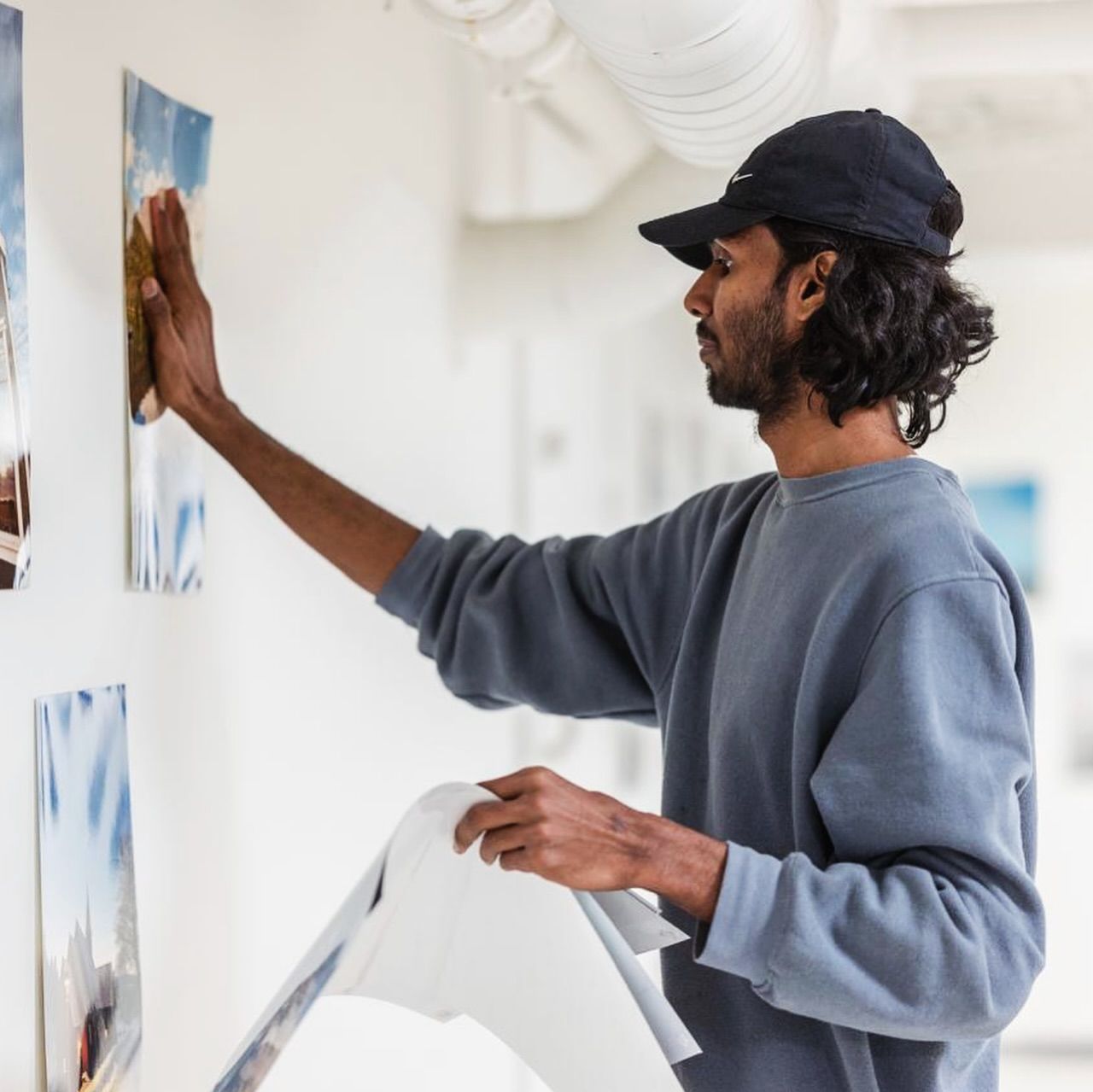
What You Will Become
Graduates of the Level 3 Foundation Diploma develop:
+ A university-ready creative portfolio
+ Research-informed creative thinking
+ Independent project management skills
+ Professional communication capability
+ Reflective practice discipline
+ Adaptability across creative sectors
This qualification supports progression into undergraduate degrees in art, design and media-related disciplines. The Level 3 qualification also attracts UCAS points, subject to grading outcomes and university requirements.
What You Will Become
Graduates of the Level 3 Foundation Diploma develop:
- A university-ready creative portfolio
- Research-informed creative thinking
- Independent project management skills
- Professional communication capability
- Reflective practice discipline
- Adaptability across creative sectors
This qualification supports progression into undergraduate degrees in art, design and media-related disciplines. The Level 3 qualification also attracts UCAS points, subject to grading outcomes and university requirements.
Learning Outcomes
By the end of the programme, students will be able to:
Foundations in Creative Practice
- Use structured investigation to inform creative work
- Apply contextual understanding within practical outcomes
- Analyse influences across art, design and media disciplines
Creative Thinking & Concept Development
- Use iterative experimentation to refine ideas
- Take considered creative risks
- Develop coherent creative intentions
Applied Professional Practice
- Realise work using appropriate media and techniques
- Communicate ideas clearly to defined audiences
- Demonstrate professional behaviours and time management
Responsible AI Integration
- Use digital and AI tools ethically
- Critically evaluate AI-assisted outputs
- Maintain authorship and ethical awareness
Creative Voice Development
- Demonstrate reflective practice
- Identify personal creative direction
- Engage in self-directed creative exploration
Portfolio & Progression Readiness
- Curate and present professional portfolios
- Develop a structured Final Major Project
- Demonstrate readiness for undergraduate study
Developing Your Creative Voice
Creativity is developed through discipline.
Students engage in:
+ Structured experimentation
+ Guided critique sessions
+ Iterative refinement
+ Reflection and review
+ Professional presentation
Creative voice becomes a measurable academic and professional capability.
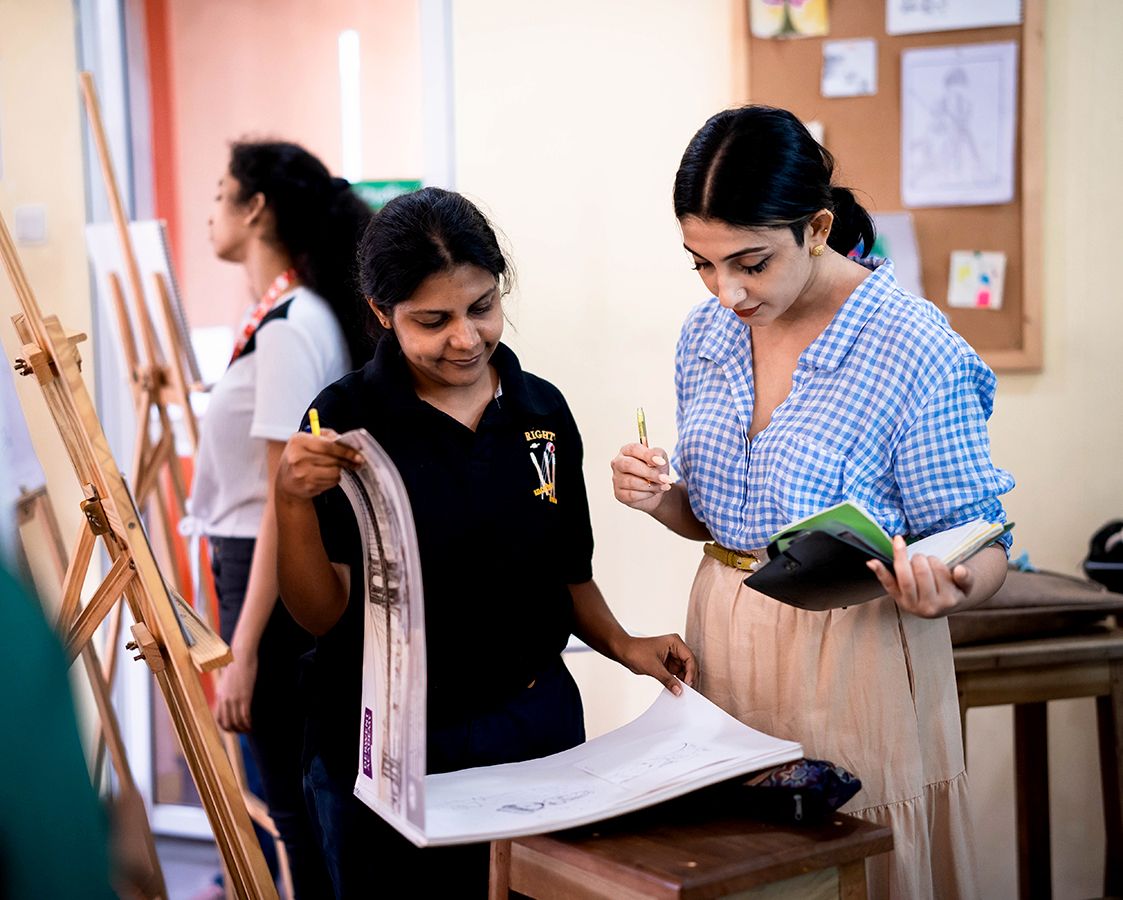
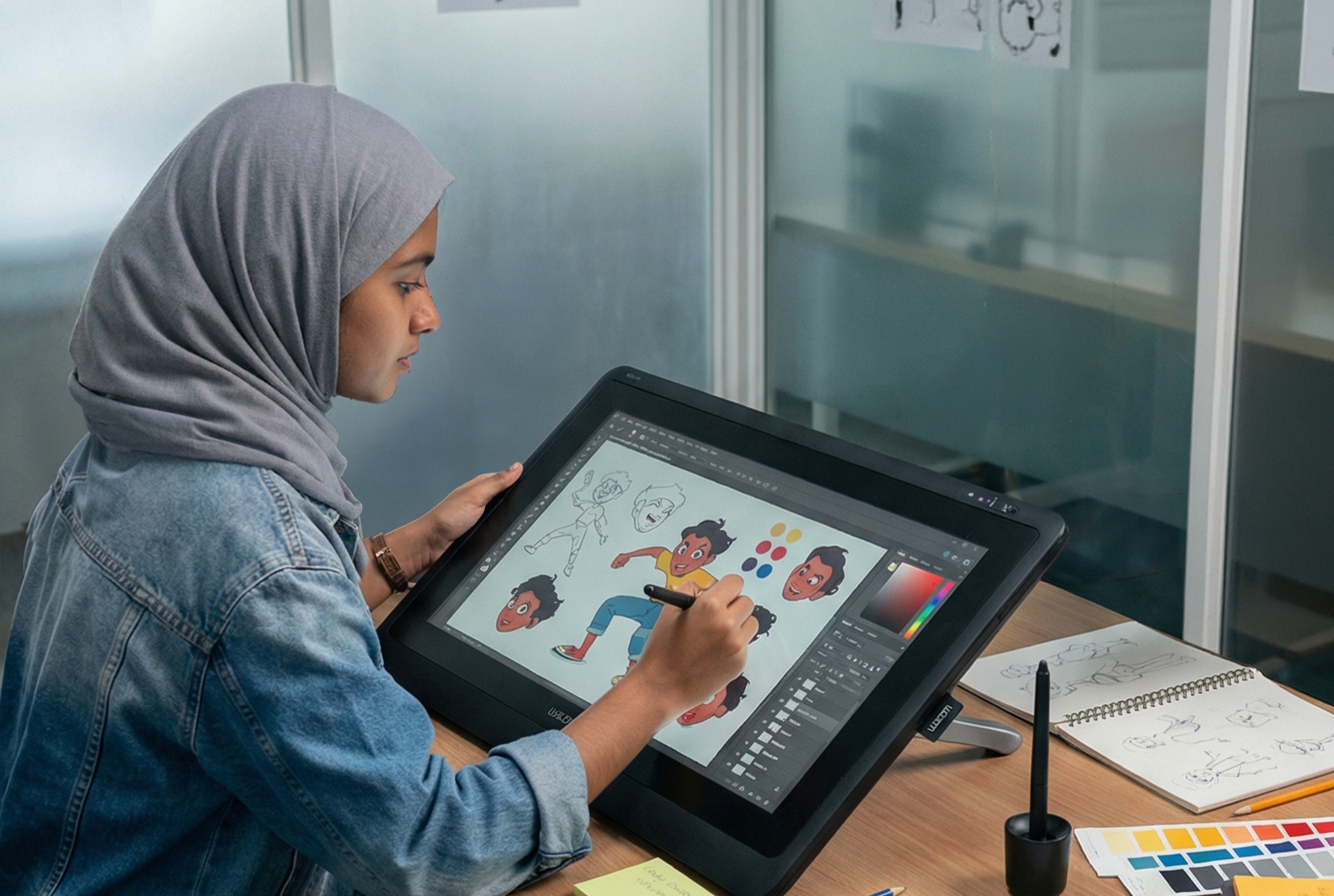
How Learning Happens at AMDT School of Creativity
Learning is delivered through:
+ Studio-based workshops
+ Project-driven development
+ Structured critique sessions
+ Independent exploration
+ Portfolio curation
+ Industry engagement opportunities
Assessment is entirely portfolio-based. There are no examinations.
Developing Your Creative Voice
Creativity is developed through discipline.
Students engage in:
- Structured experimentation
- Guided critique sessions
- Iterative refinement
- Reflection and review
- Professional presentation
Creative voice becomes a measurable academic and professional capability.
How Learning Happens at AMDT School of Creativity
Learning is delivered through:
- Studio-based workshops
- Project-driven development
- Structured critique sessions
- Independent exploration
- Portfolio curation
- Industry engagement opportunities
Assessment is entirely portfolio-based. There are no examinations.
Why Study the Pearson BTEC Level 3 Foundation Diploma at AMDT?
Many institutions may offer the Pearson BTEC qualification. What differs at AMDT is:
+ Studio culture
+ Mentorship depth
+ Portfolio development support
+ Industry engagement
+ Academic oversight
At AMDT:
+ Creative development is structured and iterative
+ Critique culture is embedded
+ Portfolio direction is actively mentored
+ Professional behaviours are intentionally developed
+ Quality assurance is rigorously maintained
The qualification is internationally recognised. The educational experience depends on where it is delivered.
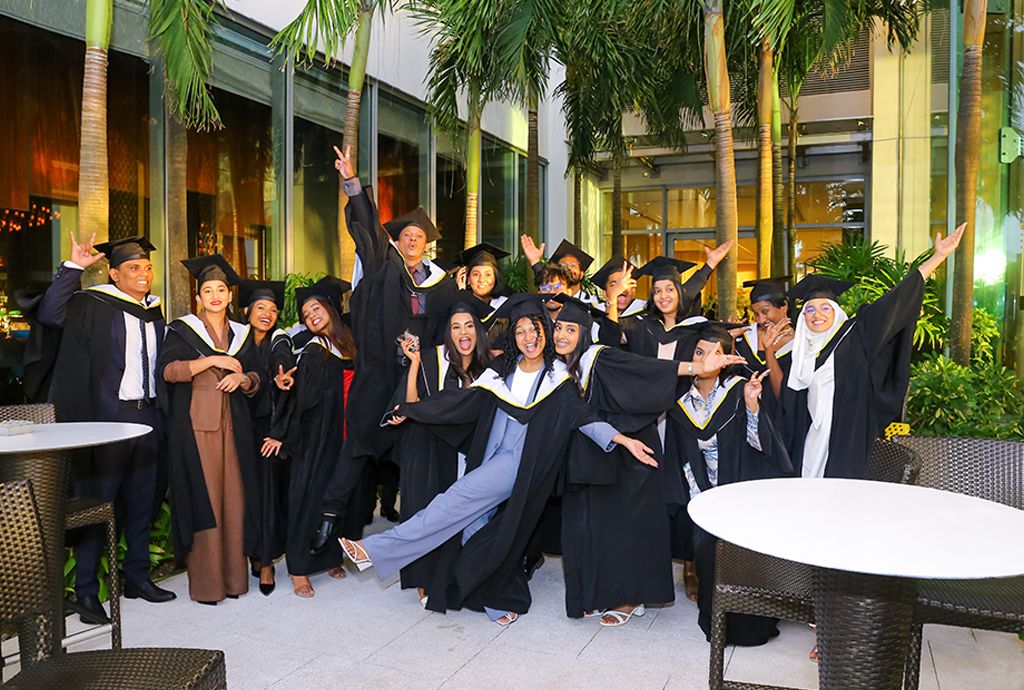
Why Study the Pearson BTEC Level 3 Foundation Diploma at AMDT?
Many institutions may offer the Pearson BTEC qualification. What differs at AMDT is:
- Studio culture
- Mentorship depth
- Portfolio development support
- Industry engagement
- Academic oversight
At AMDT:
- Creative development is structured and iterative
- Critique culture is embedded
- Portfolio direction is actively mentored
- Professional behaviours are intentionally developed
- Quality assurance is rigorously maintained
The qualification is internationally recognised. The educational experience depends on where it is delivered.
Academic Framework & Progression
This qualification is:
+ Level 3 (UK Regulated Qualifications Framework)
+ 642 Guided Learning Hours
+ 1150 Total Qualification Time
It is aligned with recognised UK higher education conventions and supports progression to undergraduate degrees.
Honours degrees typically require 360 credits within the UK framework.
Progression depends on university entry requirements.
Academic Framework & Progression
This qualification is:
- Level 3 (UK Regulated Qualifications Framework)
- 642 Guided Learning Hours
- 1150 Total Qualification Time
It is aligned with recognised UK higher education conventions and supports progression to undergraduate degrees.
Honours degrees typically require 360 credits within the UK framework.
Progression depends on university entry requirements.
Quality Assurance, Monitoring & Enhancement
The programme operates within structured quality systems:
- Pearson external standards verification
- Internal assessment moderation
- ISO 9001-aligned quality management
- ISO 21001-aligned educational management
- Academic Board oversight
- Continuous improvement processes
- Student feedback integration
Academic integrity and authenticity of work are strictly maintained.

Quality Assurance, Monitoring & Enhancement
The programme operates within structured quality systems:
- Pearson external standards verification
- Internal assessment moderation
- ISO 9001-aligned quality management
- ISO 21001-aligned educational management
- Academic Board oversight
- Continuous improvement processes
- Student feedback integration
Academic integrity and authenticity of work are strictly maintained.
Entry Requirements
To enrol in the BTEC Level 3 Foundation Diploma in Art, Design and Media Practice, applicants are typically required to have:
1. Standard Academic Entry
Applicants are typically expected to have:
- Successful completion of GCE O/L (or equivalent secondary education)
- A minimum of 5 passes at O/L, including:
- English (recommended)
- Mathematics (recommended)
OR
An equivalent recognised international secondary qualification.
2. Alternative Entry Route – Work Experience
Applicants who do not meet the standard academic requirements may be considered if they have:
- A minimum of one (1) year of full-time work experience in any field.
The purpose of this route is to recognise:
- Workplace responsibility
- Professional discipline
- Time management skills
- Personal maturity
- Commitment to progression
Work experience may be from any industry, including but not limited to:
- Retail or customer service
- Administration
- Hospitality
- Technical or trade roles
- Sales or marketing
- Family business operations
- Freelance or self-employment
Applicants applying through this route may be required to:
- Attend an interview
- Demonstrate motivation to pursue creative study
- Complete a short diagnostic or creative task
- Submit a brief personal statement
Admission through this route is subject to academic panel approval.
Entry Requirements
To enrol in the BTEC Level 3 Foundation Diploma in Art, Design and Media Practice, applicants are typically required to have:
Option 01
Successful completion of GCE O/L (or equivalent secondary education) with a minimum of 5 passes.
Option 02
An equivalent recognised international secondary qualification.
Option 03
A minimum of one (1) year of full-time work experience in any field (Alternative Entry Route).
Alternative Entry
Applicants without standard academic qualifications may be considered through structured alternative entry pathways, including:
+ Demonstrated creative potential via portfolio
+ Relevant professional experience
+ Interview and academic review
All applications are reviewed in accordance with institutional quality assurance procedures.
Frequently Asked Questions
Frequently Asked Questions
Begin Your Structured Creative Journey
The BTEC Level 3 Foundation Diploma in Art, Design and Media Practice provides:
- 100% portfolio-based assessment
- No written examinations
- Grading: Pass, Merit or Distinction
- Studio-based mentorship
- UK-aligned academic framework
- Pathway to undergraduate degree progression
- Development of independent creative voice
Your development is measured through creative practice, reflection and realised outcomes. Your pathway to higher education in art, design and media begins here.
Begin Your Structured Creative Journey
The BTEC Level 3 Foundation Diploma in Art, Design and Media Practice provides:
- 100% portfolio-based assessment
- No written examinations
- Grading: Pass, Merit or Distinction
- Studio-based mentorship
- UK-aligned academic framework
- Pathway to undergraduate degree progression
- Development of independent creative voice
Your development is measured through creative practice, reflection and realised outcomes. Your pathway to higher education in art, design and media begins here.
Get in touch
Speak to a course advisor to get more information and assistance about the career and course you wish to learn.
Get in touch
Speak to a course advisor to get more information and assistance about the career and course you wish to learn.