
AMDT School of Creativity
You Don't Need to Choose a Path. You Need to Build One.
Why Sri Lanka’s next generation of Creatives needs more than a single discipline, and how AMDT School of Creativity is changing what Creative education looks like.
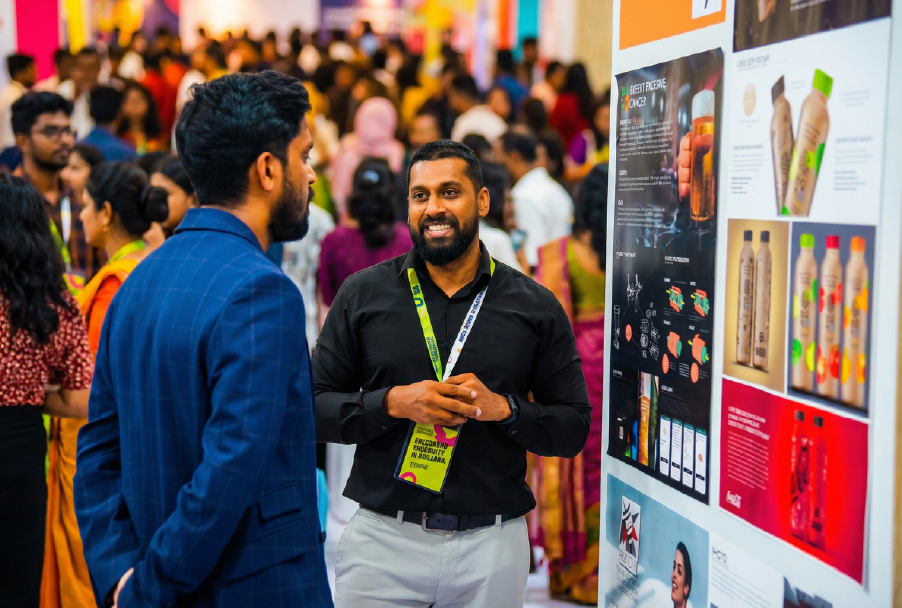
The Decision You're Being Asked to Make
If you’ve just finished your A Levels, you’ve probably felt it. That pressure to commit. Pick a career. Choose a stable path. Make a decision that feels safe.
That pressure is real. And it makes sense. For a long time, stability meant specialisation. Pick one thing, master it, and build a career within it.
But here’s what nobody tells you at that crossroads: the industries you’re preparing to enter have already moved on.
The question is no longer what do I want to study. It’s what kind of future am I actually preparing for.
At AMDT School of Creativity, we think that question deserves a more honest answer.
What the Creative Industry Actually Looks Like Today
Spend five minutes talking to any Creative professional working in Sri Lanka today, or globally, and the picture becomes clear quickly.
A graphic designer is expected to understand branding strategy and digital marketing.
An animator has to think in storytelling, platform behaviour, and audience engagement.
A filmmaker needs awareness of content distribution, user behaviour, and commercial impact.
A graphic designer is expected to understand branding strategy and digital marketing.
An animator has to think in storytelling, platform behaviour, and audience engagement.
A filmmaker needs awareness of content distribution, user behaviour, and commercial impact.
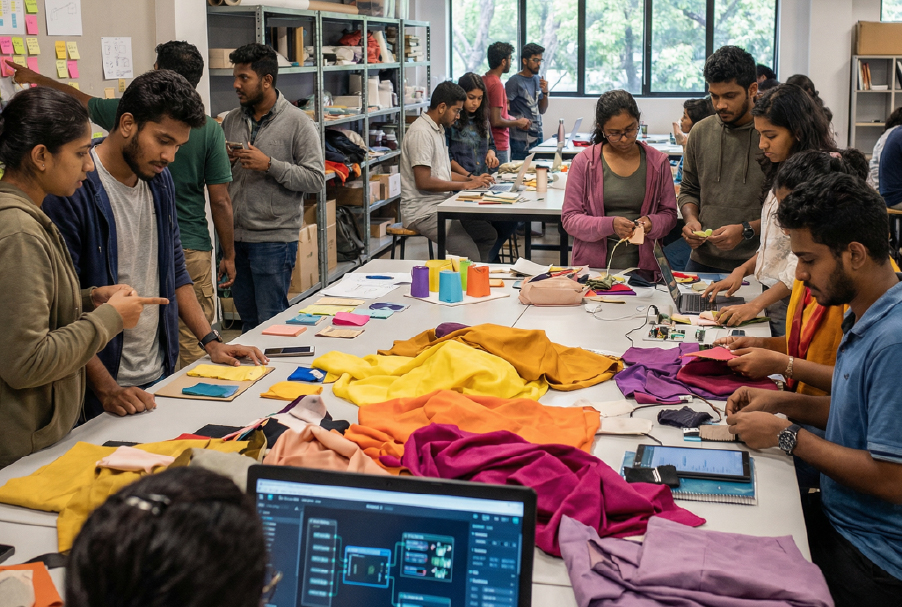
It goes further. Fashion designers are collaborating with tech companies.
UX designers are sitting in business strategy meetings.
Photographers are building personal brand ecosystems.
Content creators are functioning as one-person agencies.
The silos are gone. What’s replaced them are hybrid roles that demand both Creative skill and strategic thinking.
This isn’t a future trend. This is already the reality in Sri Lanka, from the rise of digital-first brands and freelance design studios to local Creatives working with international clients remotely.
Employers aren’t just looking for someone who can execute one thing well. They’re looking for people who can think across disciplines, adapt across contexts, and connect Creativity to real outcomes.
That gap between what traditional education delivers and what the industry actually needs is exactly what AMDT School of Creativity is built to close.
What Makes AMDT School of Creativity Different
AMDT School of Creativity is built on one central conviction: Creativity is no longer a discipline. It’s a system.
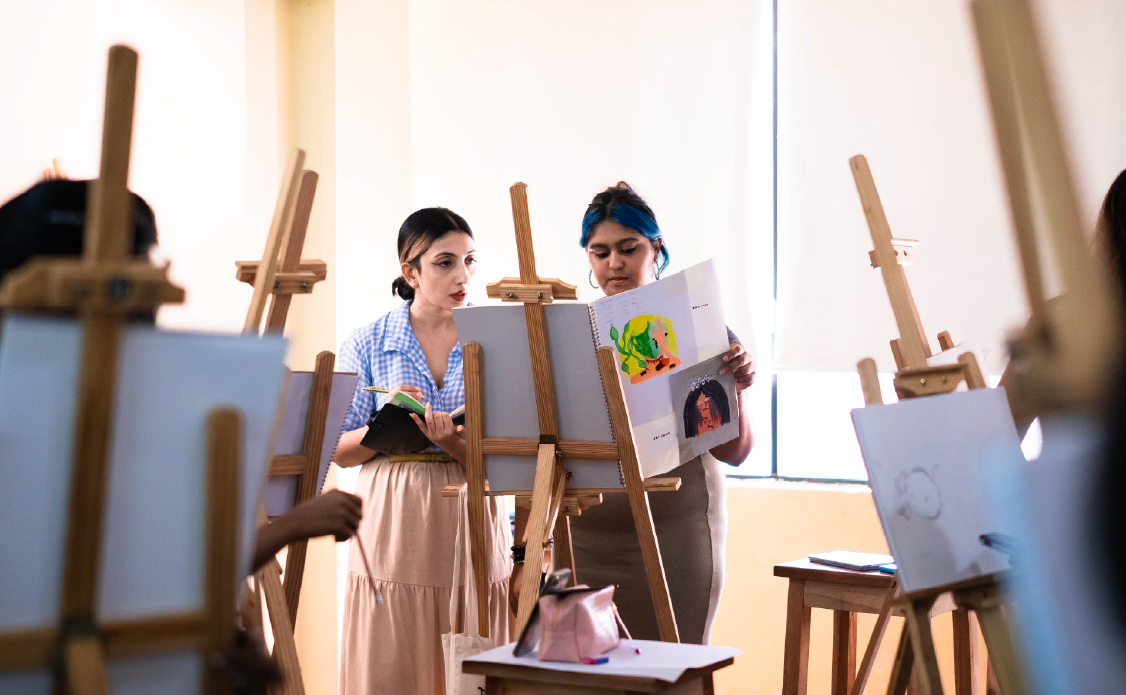
And a system requires more than technique. It requires the ability to combine Creativity, technology, and business thinking into a single, connected way of working.
That’s why our learning model is multidisciplinary from the ground up, not as an add-on, but as the core architecture of how students are developed.
In practice, this means:
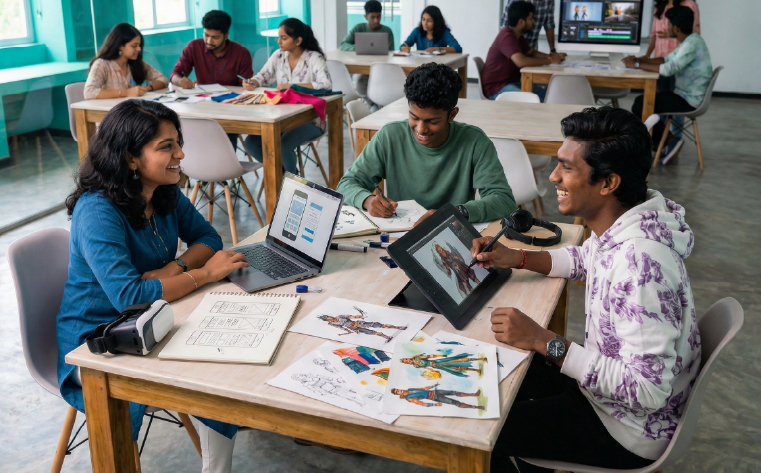
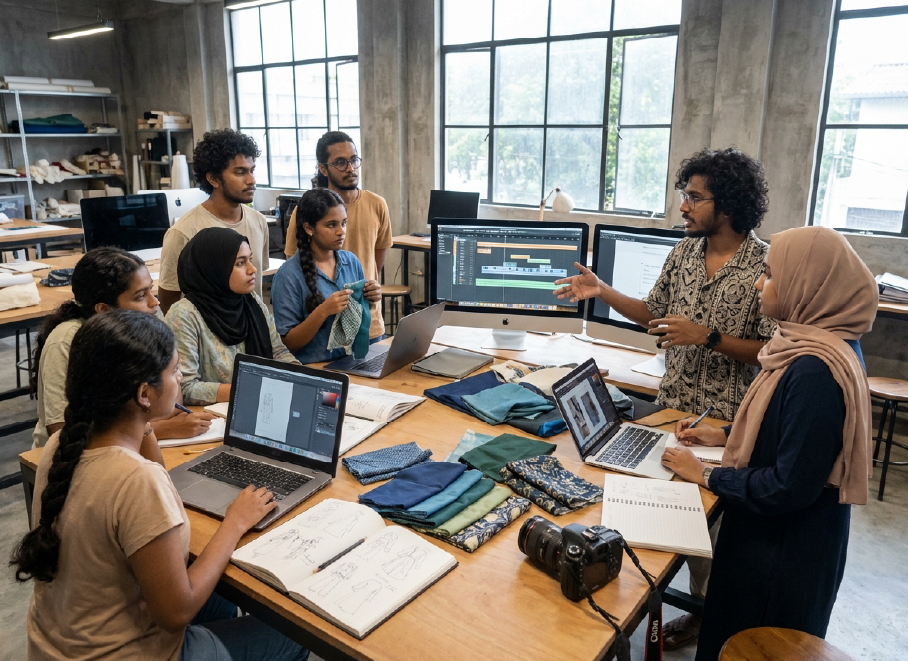
Students work on live briefs drawn from real industry contexts, not simulated assignments designed to fit a textbook. They engage with projects where Creative decisions have actual commercial stakes.
They move across disciplines, gaining exposure to how design intersects with branding, how content strategy shapes visual direction, how fashion communicates culture and business simultaneously.
And they build collaborative habits early, learning how to bring ideas across different disciplines to life. Which is exactly how Creative work functions in the real world.
The future Creative isn’t just specialised. They’re connected across ideas, industries, and contexts.
Creative Careers Are Viable. But the Bar Has Changed.
For Sri Lankan parents, career decisions have traditionally come down to one thing: long-term security. That instinct is understandable, and it’s not wrong. But stability itself is being redefined.
Global
Creative careers are no longer limited to one location or one employer
Remote
Digital platforms and freelance economies have opened new income paths
New Industries
Sri Lankan Creatives are entering fields that didn’t exist a decade ago
Those new fields include: Gaming, Digital media, Experience design and beyond
The old question
The real question now
That comes down to one capability above all others: adaptability.
Creatives who can think across disciplines won’t just participate in what’s coming. They’ll shape it.
Where This Is Going
Sri Lanka’s Creative economy is growing. Digital media, design, fashion, content. The demand for talent that can move fluidly across these spaces is accelerating.
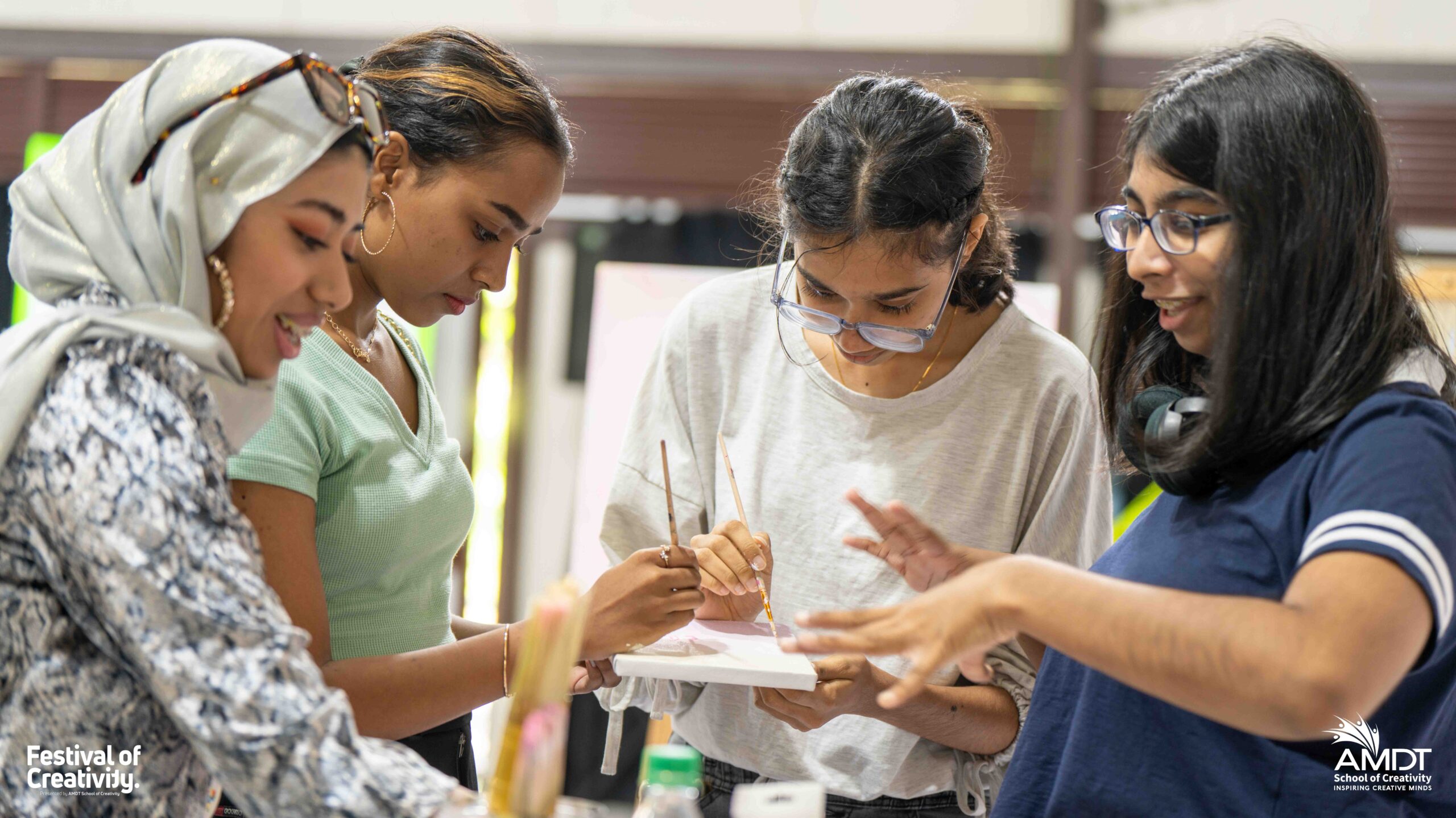
AMDT School of Creativity is responding to that demand, and actively building the learning architecture that defines what’s next.
- New programmes.
- New industry connections.
- New ways of combining disciplines that reflect how Creative work is done today.
It’s whether the education you’re choosing is actually preparing you for the industry that exists now, and the one that’s still being built.
Sri Lanka's Multidisciplinary Creative Institution
Where Creativity, technology, and business intersect to develop industry-ready, future-focused thinkers who shape culture, industry, and society.