
The Jobs of 2030:
Are You Preparing for a Career That Might Not Exist?

Many parents and students in Sri Lanka choose a degree believing it will guarantee a job.
But by the time today’s students graduate, some of those jobs may no longer exist.
Choosing what to study today is not just about selecting a course.
It is about choosing a future that will only begin four or five years from now.
That sounds normal. But here is the uncomfortable truth.
The world of work is changing faster than most education systems can keep up.
By the time many students graduate, the industries they prepared for may already look very different from the ones they imagined.
This is not speculation. It is already happening.
The Future of Jobs Is Changing Faster Than Ever
The future of jobs is shifting at a pace the world has never experienced before.
According to the Future of Jobs Report by the World Economic Forum, around 85 million jobs are expected to disappear due to automation and technological change.
But that is only half the story.
The same report predicts that 97 million new jobs will emerge, many of which will require completely new combinations of skills.
Research by McKinsey & Company estimates that up to 30% of work activities could be automated by 2030.
Even more striking, research referenced by the World Economic Forum suggests that,
Think about that for a moment.
Students are preparing for careers that are still being invented.
The question is not whether change will happen.
The real question is this.
Will graduates be able to adapt to it?
Artificial Intelligence Is Already Changing Creative Work
For years, Creativity was seen as something machines could never replicate.
Today, that assumption is being challenged.
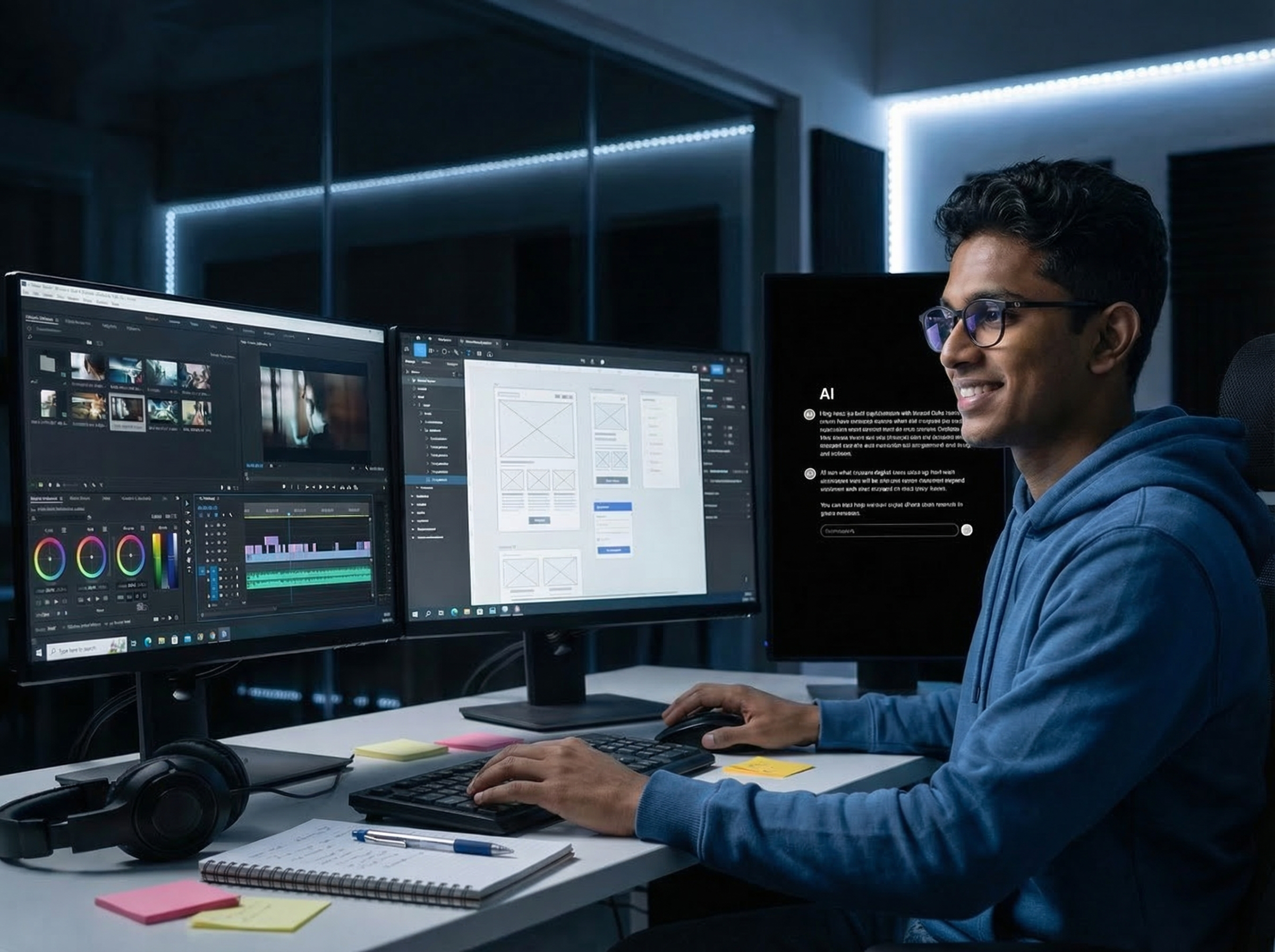
Artificial intelligence can now:
- Generate images
- Assist with video editing
- Create music
- Write content
- Help design digital experiences
These tools are already becoming part of everyday Creative workflows.
But this does not mean Creativity is disappearing.
It means the role of the Creative professional is evolving.
Instead of competing with technology, the most successful Creatives are learning how to work with it, guide it, and use it as a tool to amplify their ideas.
The people who thrive in the future will not be those who resist change.
They will be those who learn how to adapt alongside it.
But this does not mean Creativity is disappearing.
It means the role of the Creative professional is evolving.
Instead of competing with technology, the most successful Creatives are learning how to work with it, guide it, and use it as a tool to amplify their ideas.
The people who thrive in the future will not be those who resist change.
They will be those who learn how to adapt alongside it.
The Qualification Alone Is No Longer Enough
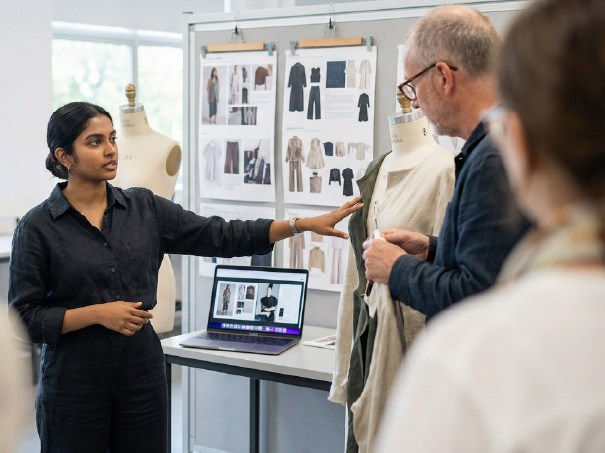
For decades, the formula seemed simple.
Choose a qualification.
Graduate.
Find a job in that field.
But today, employers are asking a different question.
Not “What did you study?”
Instead they are asking:
“Can you adapt to what comes next?”
Technology is evolving. Artificial intelligence is accelerating. Entire industries are reshaping themselves.
The Creative industry is transforming into something far more dynamic.
Professionals today are expected to combine:
- Creativity
- Technology
- Business thinking
Those who can do this thrive.
Those who cannot struggle to keep up.
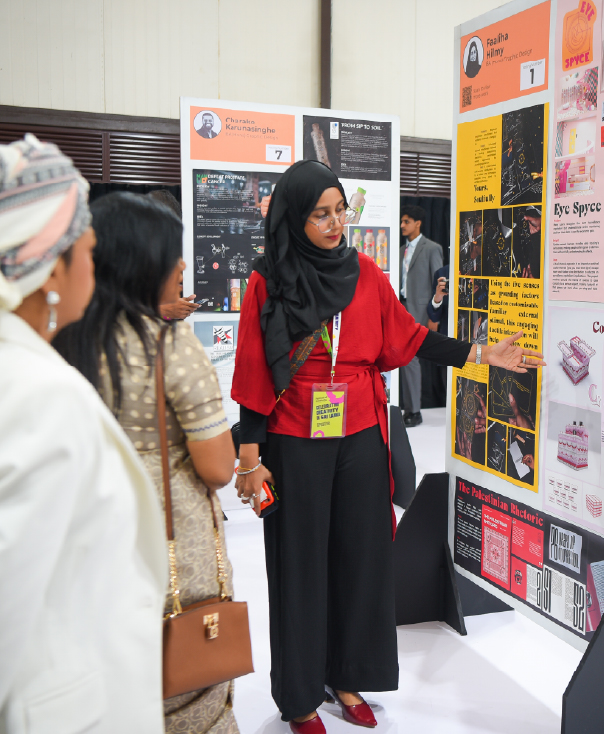
Technology is evolving. Artificial intelligence is accelerating. Entire industries are reshaping themselves.
The Creative industry is transforming into something far more dynamic.
Professionals today are expected to combine:
- Creativity
- Technology
- Business thinking
Those who can do this thrive.
Those who cannot struggle to keep up.
Creative Industries Are Evolving Too
Creative careers are not disappearing. They are evolving rapidly.
Graphic Design
Graphic designers are becoming visual communicators who understand branding, digital platforms, and audience psychology.
Animation
Animation artists are working with real-time engines, virtual production, and AI-assisted workflows.
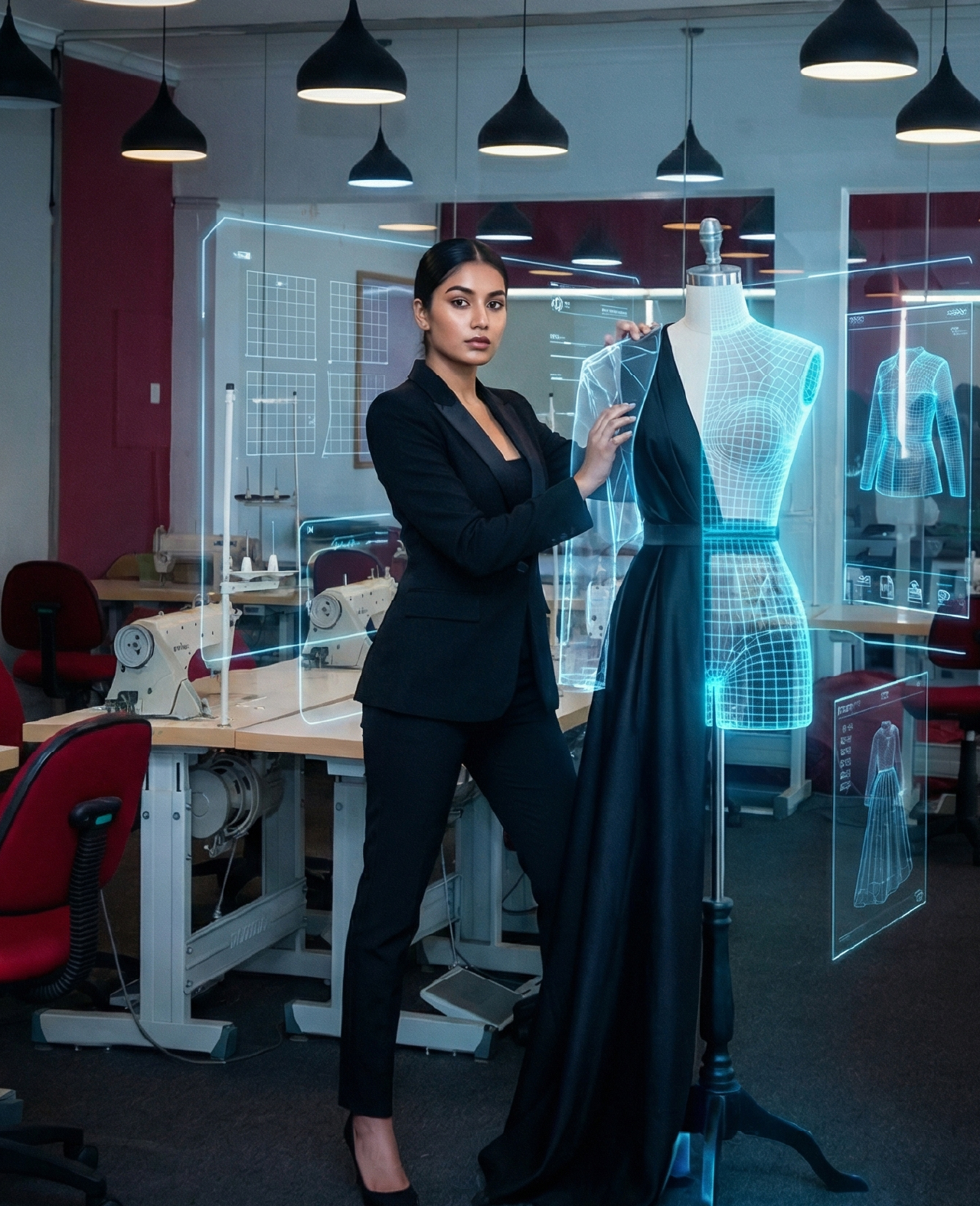
Fashion Design
Fashion designers are exploring digital fashion, sustainability, and new production technologies.
Interior Design
Interior designers are integrating experience design, smart environments, and immersive spaces.
Film Production
Filmmakers are navigating streaming platforms, content ecosystems, and interactive storytelling.
UX Design
UX designers are expanding into broader roles within creative technology and digital product development.
The future belongs to people who understand how these worlds connect.
Not specialists who only know one skill.
But multidisciplinary Creatives who can adapt as industries change.
What Employers Are Really Looking For
Employers are no longer just hiring for a job title. They are hiring for capability.
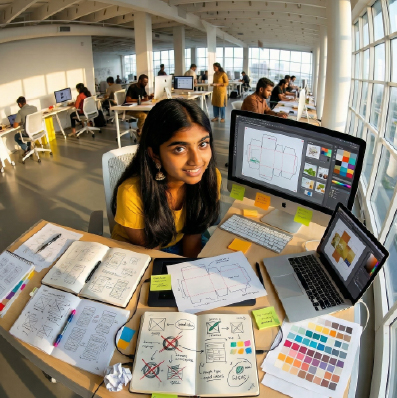
According to LinkedIn’s Global Talent Trends research, some of the most valuable skills employers look for today include:
- Creativity
- Adaptability
- Problem solving
- Digital literacy
- Cross-disciplinary thinking
These are not skills that come from memorising information.
They come from learning how to think, experiment, collaborate, and evolve with technology.
That is also why in Creative industries, careers are built on what you create, not what you memorise.
Studios and companies want to see:
- Portfolios
- Projects
- Ideas
- Problem solving ability
They want to see how you think.
Because the reality is simple.
A career today is not one job for life.
It is a series of transformations.
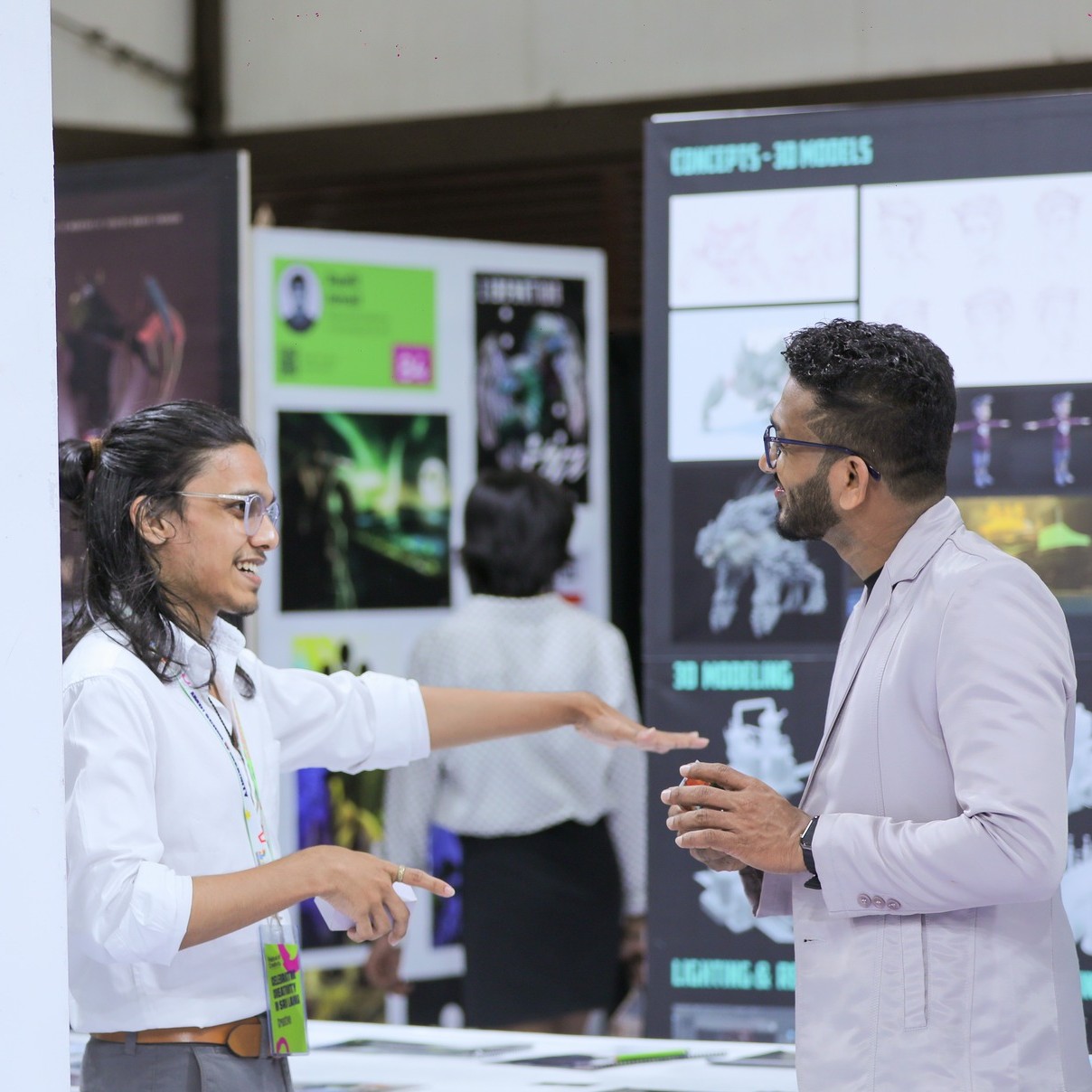
Studios and companies want to see:
- Portfolios
- Projects
- Ideas
- Problem solving ability
They want to see how you think.
Because the reality is simple.
A career today is not one job for life.
It is a series of transformations.
Preparing for the Creative Careers of 2030
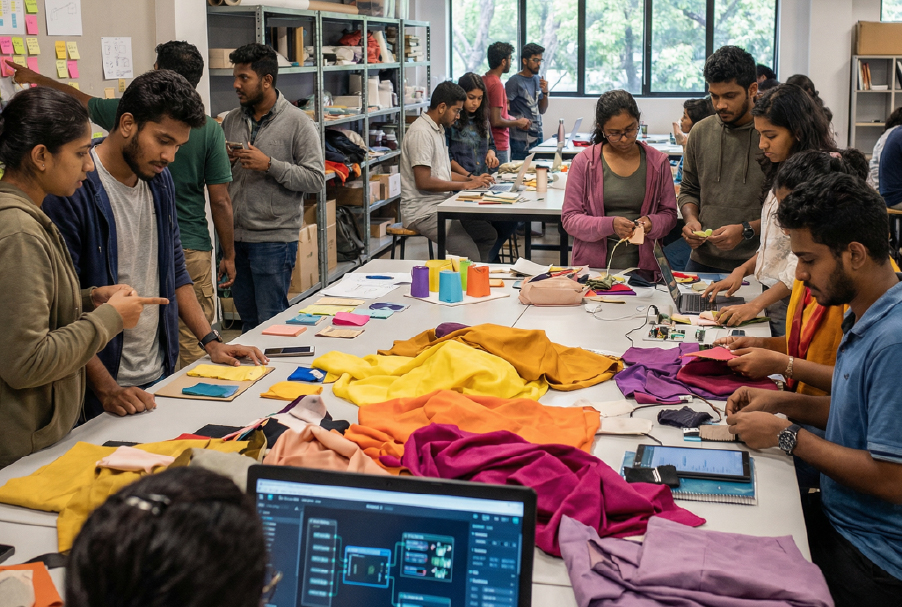
If the future of work is changing, education must change with it.
At AMDT School of Creativity, education is built around this reality.
Instead of focusing on written exams and memorisation, students develop their abilities through project-based learning, building portfolios and solving real Creative challenges.
This mirrors how the Creative industry actually works.
Designers, filmmakers, animators, fashion designers, and digital creators are not evaluated through written exams.
They are evaluated through the work they produce and the ideas they bring to life.
Students are encouraged to explore multiple creative disciplines while developing the ability to combine:
- Creativity
- Technology
- Business thinking
This is the skillset modern Creative industries demand.
Because of this portfolio-driven approach, many students begin building industry connections and employment opportunities even before they graduate.
Instead of simply preparing students for the jobs that exist today, the focus is on preparing them to adapt to industries that will continue to evolve.
The Question Every Student Should Ask
2030 is approaching faster than many people realise.
Industries are changing.
Technology is evolving.
New careers are being created while others disappear.
Which raises an important question.
Are you studying for the world as it was?
Or preparing for the world that is coming?
Because the difference between the two could define your entire career.
The future is coming faster than we think.
The question is simple.
Will you be ready for it?