
Film and Media Production
Craft stories. Shape culture.
Build the future of moving image.
Film and Media Production
Craft stories. Shape culture.
Build the future of moving image.
Craft stories. Shape culture.
Build the future of moving image.
The Advanced Diploma in Film and Media Production is a studio-based, project-driven higher education programme designed for aspiring filmmakers, content creators, and visual storytellers who want to move beyond technical training and develop a distinct creative voice.
This programme integrates creative direction, production practice, critical thinking, and emerging technologies within a structured academic framework.
The Advanced Diploma in Film and Media Production is a studio-based, project-driven higher education programme designed for aspiring filmmakers, content creators, and visual storytellers who want to move beyond technical training and develop a distinct creative voice.
This programme integrates creative direction, production practice, critical thinking, and emerging technologies within a structured academic framework.
The Evolution of Film and Media Production
Film and media production has transformed dramatically in the past decade. Cinema, streaming platforms, mobile-first content, immersive media, and AI-driven production tools have reshaped how stories are created and consumed.
Traditional film courses often focus heavily on equipment and software. While technical competence remains important, today’s industry demands:
+ Conceptual clarity
+ Critical understanding of audience and culture
+ Adaptability across platforms
+ Ethical awareness in digital storytelling
+ Integration of AI and emerging technologies
Filmmakers now operate in a world of virtual production, real-time editing, global distribution, and algorithm-driven discovery.
The future of film belongs to creators who can think critically, adapt strategically, and express a clear creative voice across evolving platforms.
This programme is designed as the academic evolution of traditional technical training.

The Evolution of Film and Media Production
Film and media production has transformed dramatically in the past decade. Cinema, streaming platforms, mobile-first content, immersive media, and AI-driven production tools have reshaped how stories are created and consumed.
Traditional film courses often focus heavily on equipment and software. While technical competence remains important, today’s industry demands:
- Conceptual clarity
- Critical understanding of audience and culture
- Adaptability across platforms
- Ethical awareness in digital storytelling
- Integration of AI and emerging technologies
Filmmakers now operate in a world of virtual production, real-time editing, global distribution, and algorithm-driven discovery.
The future of film belongs to creators who can think critically, adapt strategically, and express a clear creative voice across evolving platforms.
This programme is designed as the academic evolution of traditional technical training.
About the Programme
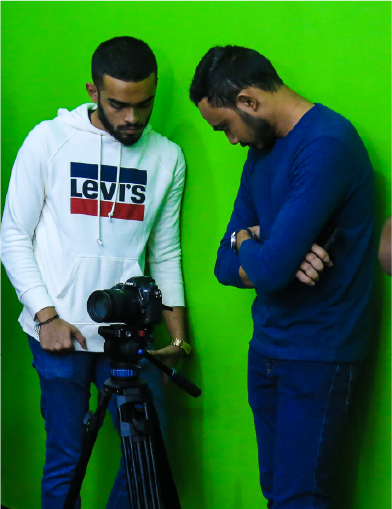
Film and Media Production is not only about operating cameras or editing software. It is about:
+ Understanding narrative structures
+ Interpreting cultural context
+ Designing audience experiences
+ Managing production processes
+ Reflecting critically on creative decisions
This Advanced Diploma adopts a studio-based, project-led structure aligned with UK higher education standards.
Students engage in:
+ Concept development
+ Research-driven storytelling
+ Pre-production planning
+ Production and post-production workflows
+ Professional communication and presentation
+ Reflective creative practice
Rather than studying isolated techniques, students develop a structured creative process that connects research, experimentation, production, and evaluation.
About the Programme
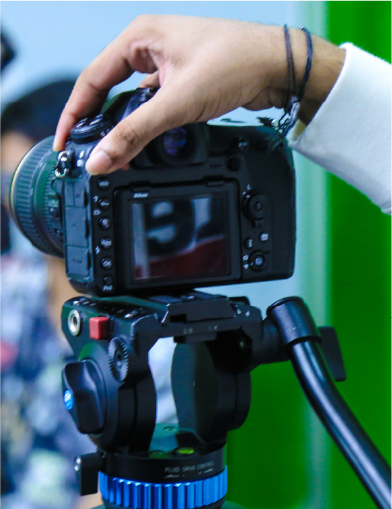
Film and Media Production is not only about operating cameras or editing software. It is about:
- Understanding narrative structures
- Interpreting cultural context
- Designing audience experiences
- Managing production processes
- Reflecting critically on creative decisions
This Advanced Diploma adopts a studio-based, project-led structure aligned with UK higher education standards.
Students engage in:
- Concept development
- Research-driven storytelling
- Pre-production planning
- Production and post-production workflows
- Professional communication and presentation
- Reflective creative practice
Rather than studying isolated techniques, students develop a structured creative process that connects research, experimentation, production, and evaluation.
Film and Media Production vs Traditional Technical Film Courses
Traditional technical courses often focus on:
+ Software operation
+ Equipment handling
+ Isolated production tasks
+ Replicating industry workflows
This programme develops:
+ Conceptual understanding of narrative and representation
+ A personal creative voice
+ Research-led production practice
+ Structured problem-solving
+ Adaptability across cinema, television, online, and emerging platforms
+ Ethical and responsible integration of AI in media production
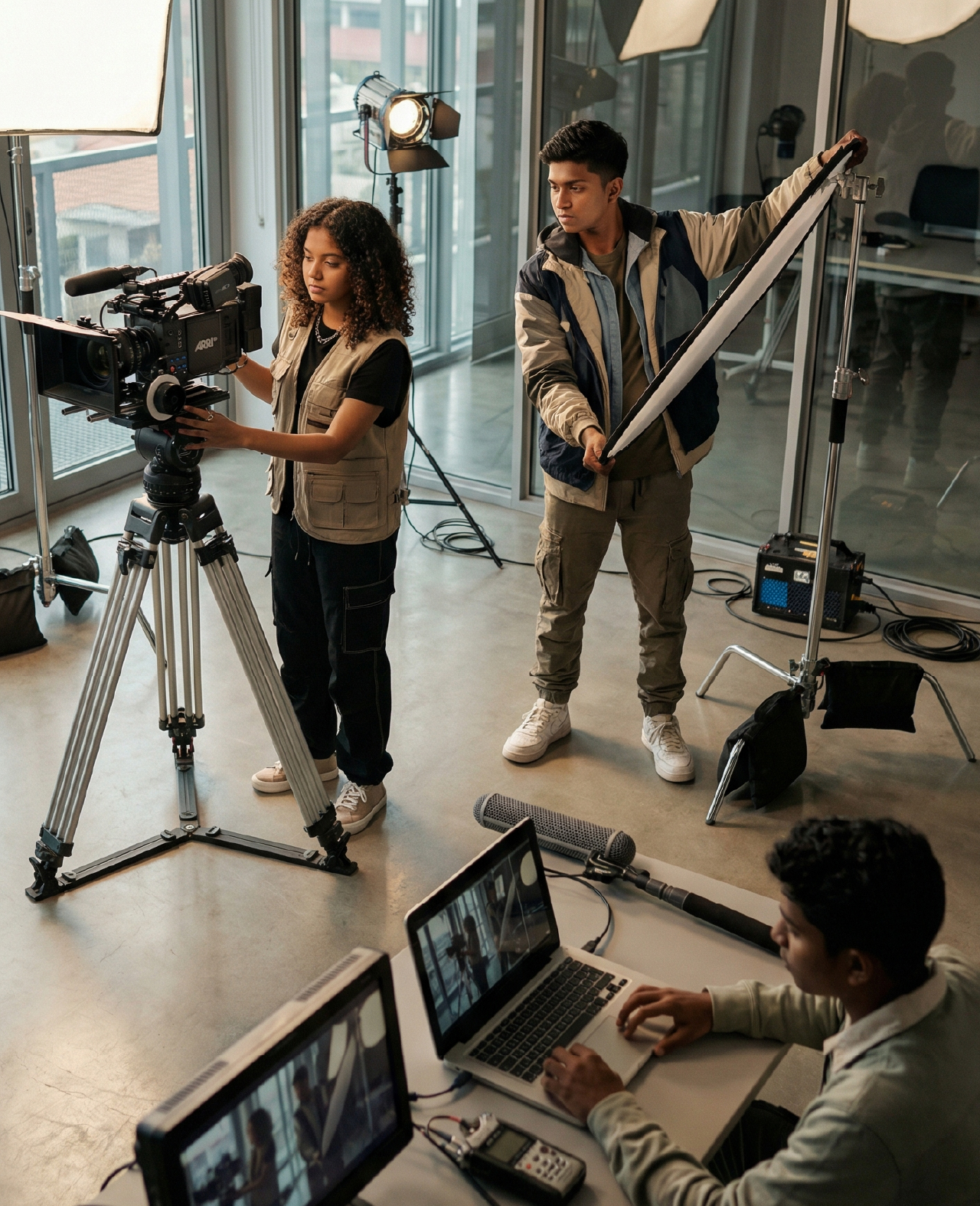
Traditional skills are taught within the programme, but Film and Media Production defines how and why those skills are used.
Students learn not only how to create content, but how to position, critique, and evolve their creative work within contemporary media ecosystems.
Film and Media Production vs Traditional Technical Film Courses
Traditional technical courses often focus on:
- Software operation
- Equipment handling
- Isolated production tasks
- Replicating industry workflows
This programme develops:
- Conceptual understanding of narrative and representation
- A personal creative voice
- Research-led production practice
- Structured problem-solving
- Adaptability across cinema, television, online, and emerging platforms
- Ethical and responsible integration of AI in media production
Traditional skills are taught within the programme, but Film and Media Production defines how and why those skills are used.
Students learn not only how to create content, but how to position, critique, and evolve their creative work within contemporary media ecosystems.
What You Will Become
Graduates of the Advanced Diploma in Film and Media Production develop as:
+ Independent filmmakers
+ Creative producers
+ Cinematographers
+ Editors and post-production specialists
+ Digital content strategists
+ Media entrepreneurs
+ Multi-platform storytellers
More importantly, graduates become adaptive creative practitioners capable of navigating:
+ Streaming and digital platforms
+ Documentary and factual production
+ Commercial and branded content
+ Experimental and immersive media
+ AI-assisted production workflows
Students may progress to a final-year Top-Up Degree (120 credits) to complete a 360-credit Honours qualification aligned with the UK higher education framework.
What You Will Become
Graduates of the Advanced Diploma in Film and Media Production develop as:
- Independent filmmakers
- Creative producers
- Cinematographers
- Editors and post-production specialists
- Digital content strategists
- Media entrepreneurs
- Multi-platform storytellers
More importantly, graduates become adaptive creative practitioners capable of navigating:
- Streaming and digital platforms
- Documentary and factual production
- Commercial and branded content
- Experimental and immersive media
- AI-assisted production workflows
Students may progress to a final-year Top-Up Degree (120 credits) to complete a 360-credit Honours qualification aligned with the UK higher education framework.
Your Learning Outcomes
By completing the Advanced Diploma in Film and Media Production, students will be able to:
Foundations in Film and Media
- Demonstrate contextual understanding of historical and contemporary film movements.
- Analyse audience theory, narrative structures, and representation.
- Situate creative work within social, technological, and cultural contexts.
Creative Thinking & Concept Development
- Develop original concepts through research and iterative ideation.
- Apply structured development processes from treatment to final production.
- Critically evaluate creative decisions.
Applied Professional Practice
- Plan and manage productions using industry-standard workflows.
- Apply cinematography, sound, lighting, editing, and post-production techniques.
- Demonstrate professional behaviours and collaborative practices.
AI Integration & Emerging Technologies
- Evaluate the ethical implications of AI in media production.
- Integrate AI tools responsibly in pre-production, editing, and research.
- Adapt to virtual production and digital workflows.
Creative Voice Development
- Articulate a personal creative identity.
- Reflect critically on creative growth.
- Develop a unique creative positioning within the industry.
Portfolio & Progression Readiness
- Produce a professional portfolio.
- Present work to industry and academic audiences.
- Prepare for employment or degree progression.
Developing Your Creative Voice
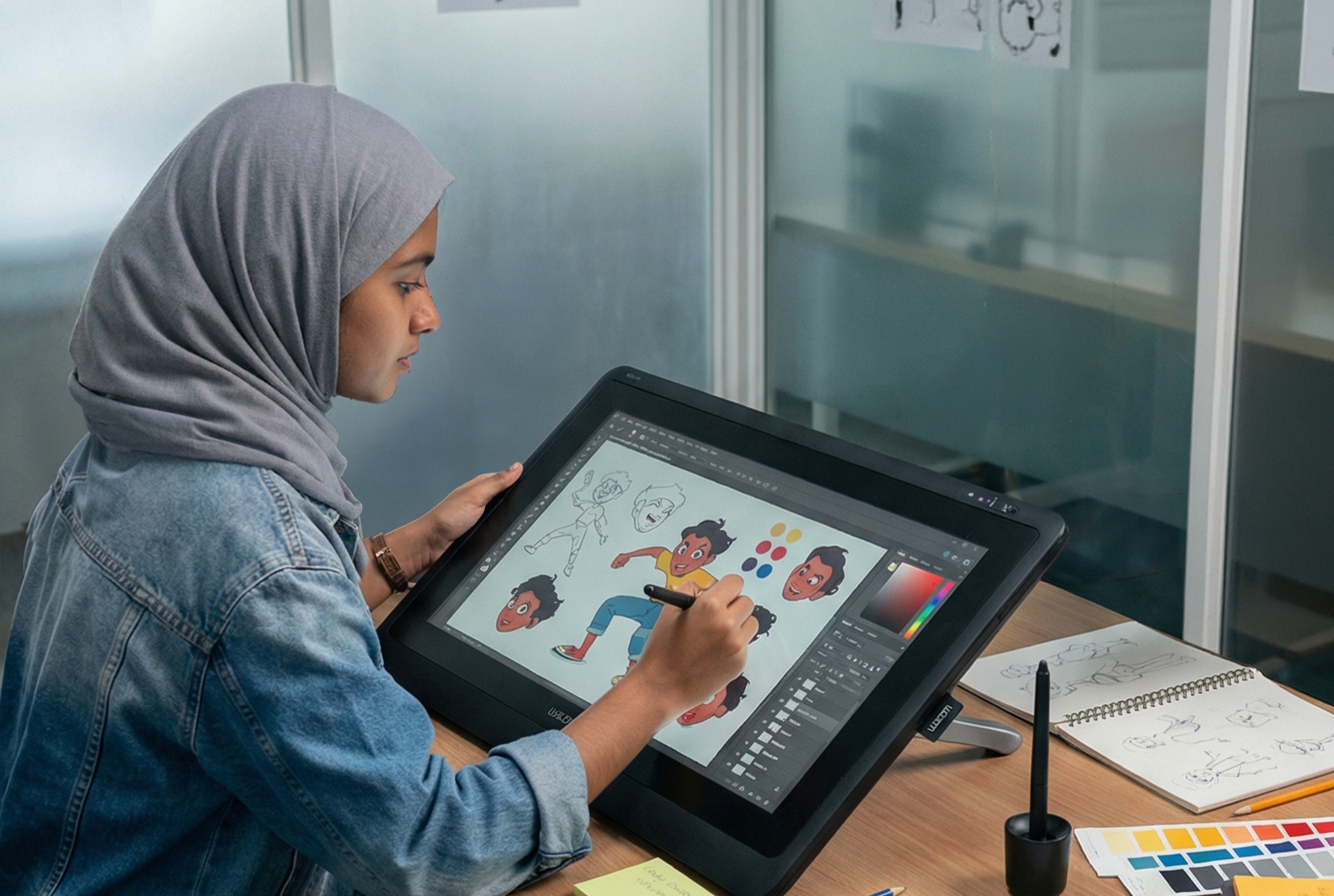
Creativity is not accidental. It is developed through:
+ Structured experimentation
+ Research-informed ideation
+ Peer critique
+ Iterative refinement
+ Reflective practice
Students are encouraged to:
+ Explore personal themes
+ Engage with cultural and social issues
+ Develop distinctive narrative approaches
+ Respond critically to feedback
Creative voice becomes a defining factor in employability. Employers increasingly seek practitioners who can contribute original thinking rather than execute instructions.
How Learning Happens at AMDT School of Creativity
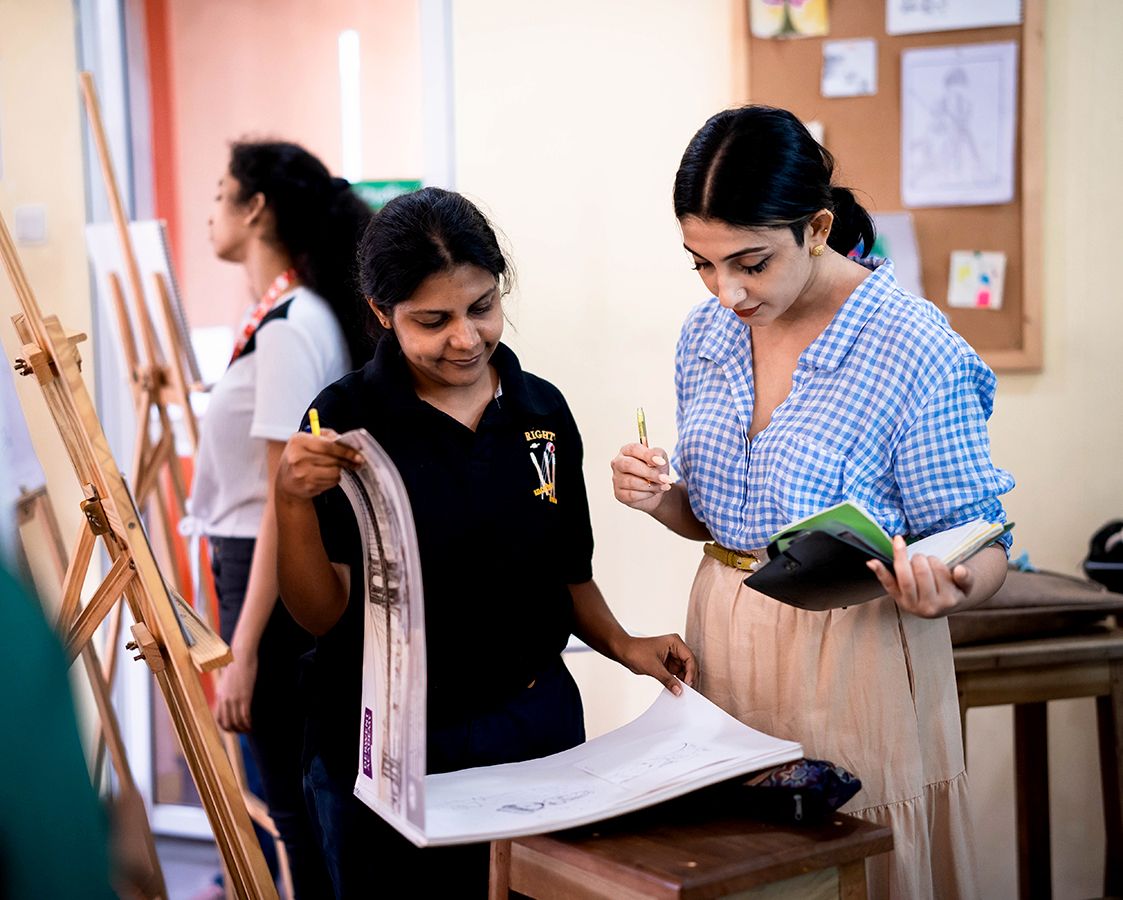
Learning is delivered through:
+ Studio-based workshops
+ Project-driven assignments
+ Structured critique sessions
+ Industry-style briefs
+ Iterative development cycles
Assessment is process-based and evidence-driven. Students are evaluated through:
+ Research documentation
+ Development logs
+ Production outcomes
+ Reflective analysis
+ Professional presentations
There are no memory-based examinations. Assessment aligns with applied higher education standards.
Developing Your Creative Voice
Creativity is not accidental. It is developed through:
- Structured experimentation
- Research-informed ideation
- Peer critique
- Iterative refinement
- Reflective practice
Students are encouraged to:
- Explore personal themes
- Engage with cultural and social issues
- Develop distinctive narrative approaches
- Respond critically to feedback
Creative voice becomes a defining factor in employability. Employers increasingly seek practitioners who can contribute original thinking rather than execute instructions.
How Learning Happens at AMDT School of Creativity
Learning is delivered through:
- Studio-based workshops
- Project-driven assignments
- Structured critique sessions
- Industry-style briefs
- Iterative development cycles
Assessment is process-based and evidence-driven. Students are evaluated through:
- Research documentation
- Development logs
- Production outcomes
- Reflective analysis
- Professional presentations
There are no memory-based examinations. Assessment aligns with applied higher education standards.
Dual Qualification Advantage
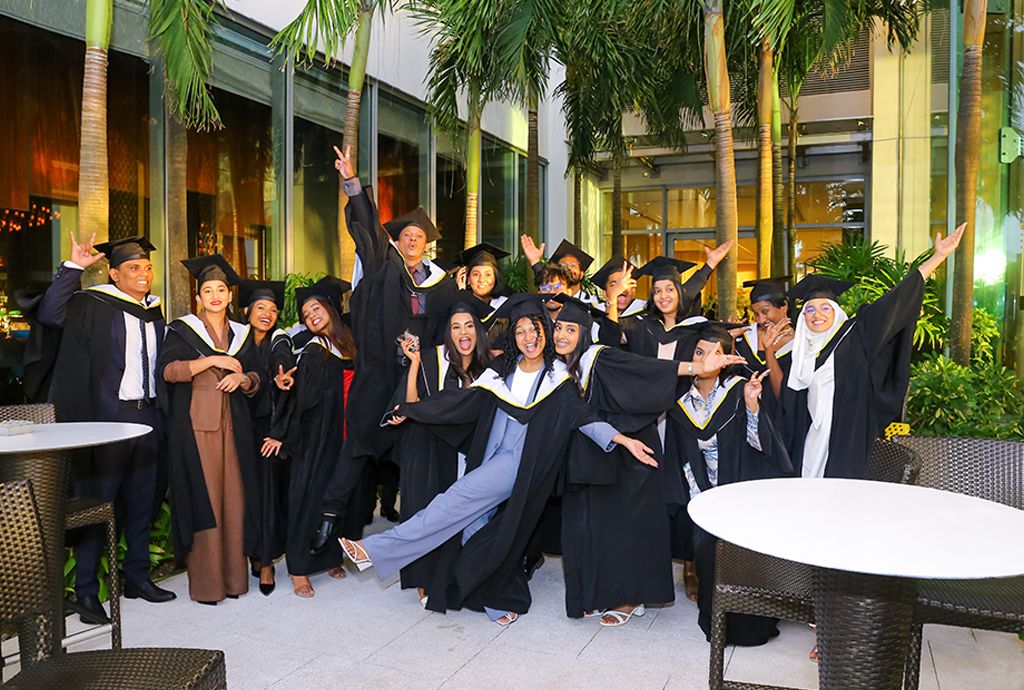
Students enrolled in the programme receive:
- The Advanced Diploma awarded by AMDT School of Creativity (240 credits)
- The Pearson BTEC Higher National Diploma (HND), a UK-regulated Level 5 qualification under the Regulated Qualifications Framework (RQF)
The AMDT School of Creativity qualification reflects the institution’s studio-based Creative education model.
The Pearson BTEC HND provides an internationally recognised academic framework and structured progression pathways.
Dual Qualification Advantage
Students enrolled in the programme receive:
- The Advanced Diploma awarded by AMDT School of Creativity (240 credits)
- The Pearson BTEC Higher National Diploma (HND), a UK-regulated Level 5 qualification under the Regulated Qualifications Framework (RQF)
The AMDT School of Creativity qualification reflects the institution’s studio-based Creative education model.
The Pearson BTEC HND provides an internationally recognised academic framework and structured progression pathways.
Academic Credit Framework & UK Alignment
Academic Credit Framework & UK Alignment
Our Advanced Diploma is structured as a 240-credit qualification, aligned to widely recognised UK higher education credit conventions:
120 credits = Diploma (Level 4 / HNC equivalent)
240 credits = Advanced Diploma (Level 5 / HND equivalent)
360 credits = Honours Bachelor’s Degree (Level 6)
Students who successfully complete the Advanced Diploma may progress to a related 120-credit final-year (Top-Up) honours degree, subject to the entry requirements of the degree-awarding institution.
This structure supports clear academic progression and international comparability within UK-aligned credit frameworks.
Academic Credit Framework & UK Alignment
Academic Credit Framework & UK Alignment
Our Advanced Diploma is structured as a 240-credit qualification, aligned to widely recognised UK higher education credit conventions:
120 credits = Diploma (Level 4 / HNC equivalent)
240 credits = Advanced Diploma (Level 5 / HND equivalent)
360 credits = Honours Bachelor’s Degree (Level 6)
Students who successfully complete the Advanced Diploma may progress to a related 120-credit final-year (Top-Up) honours degree, subject to the entry requirements of the degree-awarding institution.
This structure supports clear academic progression and international comparability within UK-aligned credit frameworks.
Quality Assurance, Monitoring & Continuous Enhancement
Academic quality at AMDT School of Creativity is structured, monitored, and continuously enhanced.
UK Academic Monitoring
Programmes aligned with the Pearson BTEC HND framework undergo annual external quality monitoring in accordance with UK academic standards, including:
+ Curriculum delivery review
+ Assessment verification processes
+ Internal quality assurance audits
+ Compliance with UK regulatory requirements
ISO-Aligned Institutional Standards
AMDT School of Creativity operates under management systems aligned with:
+ ISO 9001 – Quality Management Systems
+ ISO 21001 – Educational Organisations Management Systems
These frameworks ensure:
+ Transparent academic governance
+ Documented quality processes
+ Continuous improvement mechanisms
+ Student-centred institutional management
Internal Quality Enhancement
AMDT School of Creativity further maintains high standards through:
+ Academic boards and moderation panels
+ Student feedback review systems
+ Industry advisory consultation
+ Periodic curriculum evaluation and enhancement
This integrated quality system ensures that education remains creative in spirit, structured in delivery, and internationally benchmarked.
Quality Assurance, Monitoring & Continuous Enhancement
Academic quality at AMDT School of Creativity is structured, monitored, and continuously enhanced.
UK Academic Monitoring
Programmes aligned with the Pearson BTEC HND framework undergo annual external quality monitoring in accordance with UK academic standards, including:
+ Curriculum delivery review
+ Assessment verification processes
+ Internal quality assurance audits
+ Compliance with UK regulatory requirements
ISO-Aligned Institutional Standards
AMDT School of Creativity operates under management systems aligned with:
+ ISO 9001 – Quality Management Systems
+ ISO 21001 – Educational Organisations Management Systems
These frameworks ensure:
+ Transparent academic governance
+ Documented quality processes
+ Continuous improvement mechanisms
+ Student-centred institutional management
Internal Quality Enhancement
AMDT School of Creativity further maintains high standards through:
+ Academic boards and moderation panels
+ Student feedback review systems
+ Industry advisory consultation
+ Periodic curriculum evaluation and enhancement
This integrated quality system ensures that education remains creative in spirit, structured in delivery, and internationally benchmarked.
Entry requirements
To enrol in the Advanced Diploma Film & Media Production (Level 5 / HND equivalent), applicants are typically required to have:
Option 01
Successful completion of GCE A/Ls (Local or London) or an equivalent qualification.
Option 02
Completion of the AMDT School of Creativity Year 0 or Foundation Diploma qualification.
Option 03
Completion of a recognized Foundation Diploma or Level 3 qualification in any field.
Alternative Entry
Applicants without standard academic qualifications may be considered through structured alternative entry pathways, including:
+ Demonstrated Creative potential via portfolio
+ Relevant professional experience
+ Interview and academic review
All applications are reviewed in accordance with institutional quality assurance procedures.
Entry requirements
To enrol in the Advanced Diploma in Film & Media Production (Level 5 / HND equivalent), applicants are typically required to have:
Option 01
Successful completion of GCE A/Ls (Local or London) or an equivalent qualification.
Option 02
Completion of the AMDT School of Creativity Year 0 or Foundation Diploma qualification.
Option 03
Completion of a recognized Foundation Diploma or Level 3 qualification in any field.
Alternative Entry
Applicants without standard academic qualifications may be considered through structured alternative entry pathways, including:
+ Demonstrated Creative potential via portfolio
+ Relevant professional experience
+ Interview and academic review
All applications are reviewed in accordance with institutional quality assurance procedures.
Frequently Asked Questions
Frequently Asked Questions
Start Your Creative Journey
Choosing a Creative programme is a long-term decision.
This Advanced Diploma provides:
+ Structured Creative development
+ International academic alignment
+ Development of a distinctive Creative voice
+ Clear progression toward a 360-credit honours degree
Ongoing quality assurance and monitoring
Start Your Creative Journey
Choosing a Creative programme is a long-term decision.
This Advanced Diploma provides:
- Structured Creative development
- International academic alignment
- Development of a distinctive Creative voice
- Clear progression toward a 360-credit honours degree
Ongoing quality assurance and monitoring
Get in touch
Speak to a course advisor to get more information and assistance about the career and course you wish to learn.
Get in touch
Speak to a course advisor to get more information and assistance about the career and course you wish to learn.