

Interior Architecture
and Spatial Design
and Spatial Design
Beyond Traditional Interior Design Education
Interior Architecture and Spatial Design
Beyond Traditional Interior Design Education
Interior Architecture and Spatial Design prepares the next generation of creative designers to shape intelligent, adaptive, and regenerative environments. Blending architectural rigour with experiential thinking, the programme integrates sustainability, emerging technologies, human-centred research, and cultural design to create spaces that enhance wellbeing, respond to climate realities, and reflect the identities and contexts in which they exist.
Graduates emerge as creative spatial strategists — capable of designing not just interiors, but living systems of experience grounded in both innovation and cultural meaning.
Interior Architecture and Spatial Design prepares the next generation of creative designers to shape intelligent, adaptive, and regenerative environments. Blending architectural rigour with experiential thinking, the programme integrates sustainability, emerging technologies, human-centred research, and cultural design to create spaces that enhance wellbeing, respond to climate realities, and reflect the identities and contexts in which they exist.
Graduates emerge as creative spatial strategists — capable of designing not just interiors, but living systems of experience grounded in both innovation and cultural meaning.
The Evolution of Interior Architecture & Spatial Design
Interior Architecture and Spatial Design has evolved beyond decoration, styling or software-based drafting.
Today’s spatial professionals operate at the intersection of:
+ Architecture and built environments
+ Cultural identity and contextual relevance
+ Sustainability and regenerative design
+ Digital modelling and immersive technologies
+ Human behaviour and wellbeing
Traditional interior training focused on surface treatments and isolated technical tasks. Contemporary spatial practice requires systems thinking, environmental literacy and the ability to design adaptive environments that respond to both global challenges and local cultural narratives.
Digital transformation, AI-assisted visualisation and data-informed spatial planning are reshaping professional practice. Designers must now understand not only how spaces look — but how they function, evolve and influence experience.
This programme reflects that evolution. It positions Interior Architecture and Spatial Design as the next stage of professional spatial education.

The Evolution of Interior Architecture & Spatial Design
Interior Architecture and Spatial Design has evolved beyond decoration, styling or software-based drafting.
Today’s spatial professionals operate at the intersection of:
- Architecture and built environments
- Cultural identity and contextual relevance
- Sustainability and regenerative design
- Digital modelling and immersive technologies
- Human behaviour and wellbeing
Traditional interior training focused on surface treatments and isolated technical tasks. Contemporary spatial practice requires systems thinking, environmental literacy and the ability to design adaptive environments that respond to both global challenges and local cultural narratives.
Digital transformation, AI-assisted visualisation and data-informed spatial planning are reshaping professional practice. Designers must now understand not only how spaces look — but how they function, evolve and influence experience.
This programme reflects that evolution. It positions Interior Architecture and Spatial Design as the next stage of professional spatial education.
About the Programme
Interior Architecture and Spatial Design is the discipline of shaping interior environments structurally, experientially and conceptually.
It integrates:
+ Spatial planning and architectural detailing
+ Environmental and material strategy
+ Lighting and atmosphere
+ Human-centred research
+ Cultural design and contextual sensitivity
+ Sustainable and regenerative thinking
This Advanced Diploma is:
+ Studio-led
+ Project-driven
+ Process-based
+ Critique-focused
+ Professionally aligned
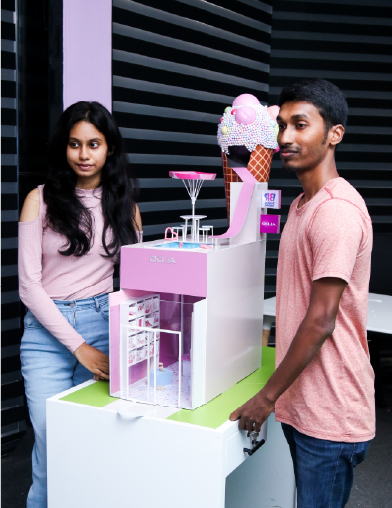
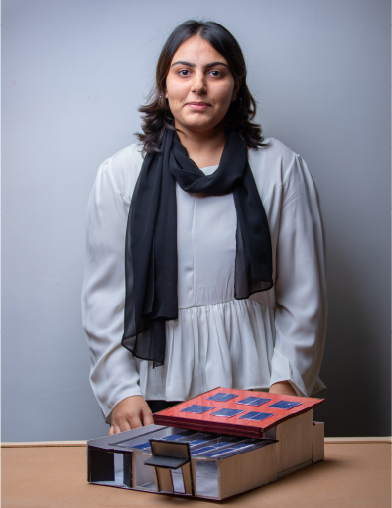
Students follow structured creative methodologies research, conceptual framing, prototyping, testing and refinement rather than isolated technical exercises.
Technical competencies are embedded within broader conceptual and cultural thinking frameworks.
About the Programme
Interior Architecture and Spatial Design is the discipline of shaping interior environments structurally, experientially and conceptually.
It integrates:
- Spatial planning and architectural detailing
- Environmental and material strategy
- Lighting and atmosphere
- Human-centred research
- Cultural design and contextual sensitivity
- Sustainable and regenerative thinking
This Advanced Diploma is:
- Studio-led
- Project-driven
- Process-based
- Critique-focused
- Professionally aligned
Students follow structured creative methodologies — research, conceptual framing, prototyping, testing and refinement — rather than isolated technical exercises.
Technical competencies are embedded within broader conceptual and cultural thinking frameworks.
Interior Architecture and Spatial Design vs Traditional Interior Design Courses
Traditional courses often focus on:
+ Software operation
+ Isolated drafting exercises
+ Decorative styling
+ Technical execution without deeper spatial inquiry
This programme develops:
+ Architectural spatial understanding
+ Cultural awareness and contextual interpretation
+ Human-centred research capability
+ Regenerative and sustainable design thinking
+ Structured creative processes
+ Adaptability across sectors
+ Ethical AI integration
Traditional skills are taught within the programme, but Interior Architecture and Spatial Design defines how and why those skills are used.
The distinction lies in conceptual depth, systems thinking and long-term environmental responsibility.

Interior Architecture and Spatial Design vs Traditional Interior Design Courses
Traditional courses often focus on:
- Software operation
- Isolated drafting exercises
- Decorative styling
- Technical execution without deeper spatial inquiry
This programme develops:
- Architectural spatial understanding
- Cultural awareness and contextual interpretation
- Human-centred research capability
- Regenerative and sustainable design thinking
- Structured creative processes
- Adaptability across sectors
- Ethical AI integration
Traditional skills are taught within the programme, but Interior Architecture and Spatial Design defines how and why those skills are used.
The distinction lies in conceptual depth, systems thinking and long-term environmental responsibility.
What You Will Become
Graduates emerge as:
+ Creative spatial strategists
+ Interior architecture practitioners
+ Experience-driven designers
+ Culturally aware design professionals
+ Environmentally responsible thinkers
Career pathways may include:
+ Interior Architect
+ Spatial Designer
+ Retail & Experiential Designer
+ Workplace Designer
+ Cultural Space Designer
+ Sustainable Interior Consultant
+ 3D Spatial Visualisation Specialist
Students may progress to a final-year 120-credit Top-Up degree, completing a Honours degree qualification aligned with UK higher education standards.
What You Will Become
Graduates emerge as:
- Creative spatial strategists
- Interior architecture practitioners
- Experience-driven designers
- Culturally aware design professionals
- Environmentally responsible thinkers
Career pathways may include:
- Interior Architect
- Spatial Designer
- Retail & Experiential Designer
- Workplace Designer
- Cultural Space Designer
- Sustainable Interior Consultant
- 3D Spatial Visualisation Specialist
Students may progress to a final-year 120-credit Top-Up degree, completing a Honours degree qualification aligned with UK higher education standards.
Learning Outcomes
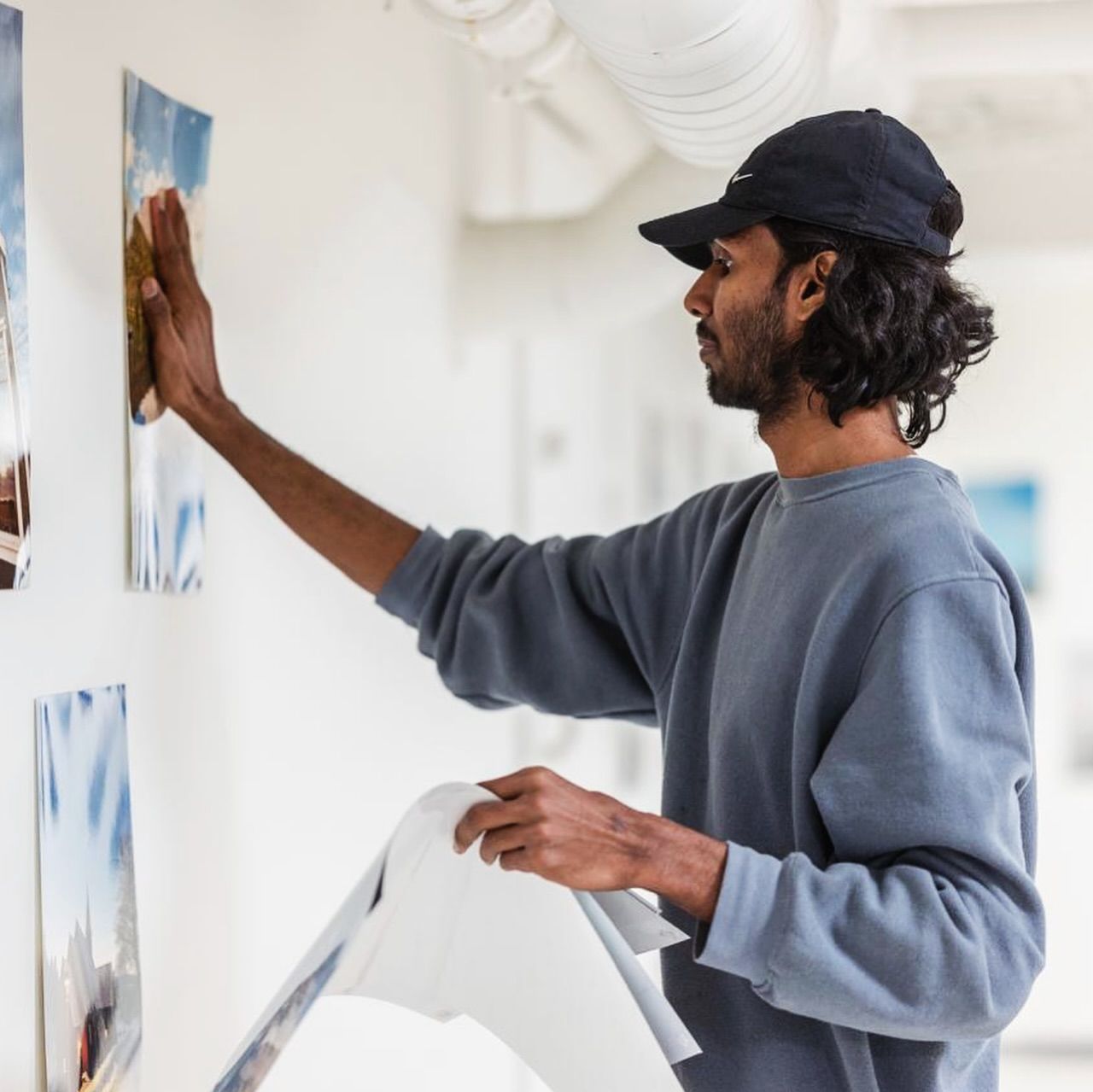
By completing the Advanced Diploma in Interior Architecture and Spatial Design, students will be able to:
Foundations in Interior Architecture & Spatial Design
- Analyse and interpret built environments
- Develop spatial concepts informed by research
- Apply environmental and material strategies
- Understand structural and contextual relationships
Creative Thinking & Concept Development
- Translate research into coherent spatial narratives
- Develop and test innovative spatial propositions
- Engage in iterative design processes
- Present and justify design decisions professionally
Applied Professional Practice
- Produce professional drawings and models
- Use digital tools effectively and responsibly
- Manage design workflows
- Communicate spatial ideas clearly
AI & Emerging Technology Integration
- Use AI tools ethically in concept development
- Apply immersive technologies in spatial visualisation
- Understand the role of smart systems in interior environments
Cultural & Contextual Design
- Design with cultural sensitivity
- Interpret identity and place within spatial proposals
- Avoid appropriation through informed research
- Embed contextual meaning within environments
Portfolio & Progression Readiness
- Develop a professional portfolio
- Prepare for degree progression
- Align work with international academic frameworks
Developing Your Creative Voice
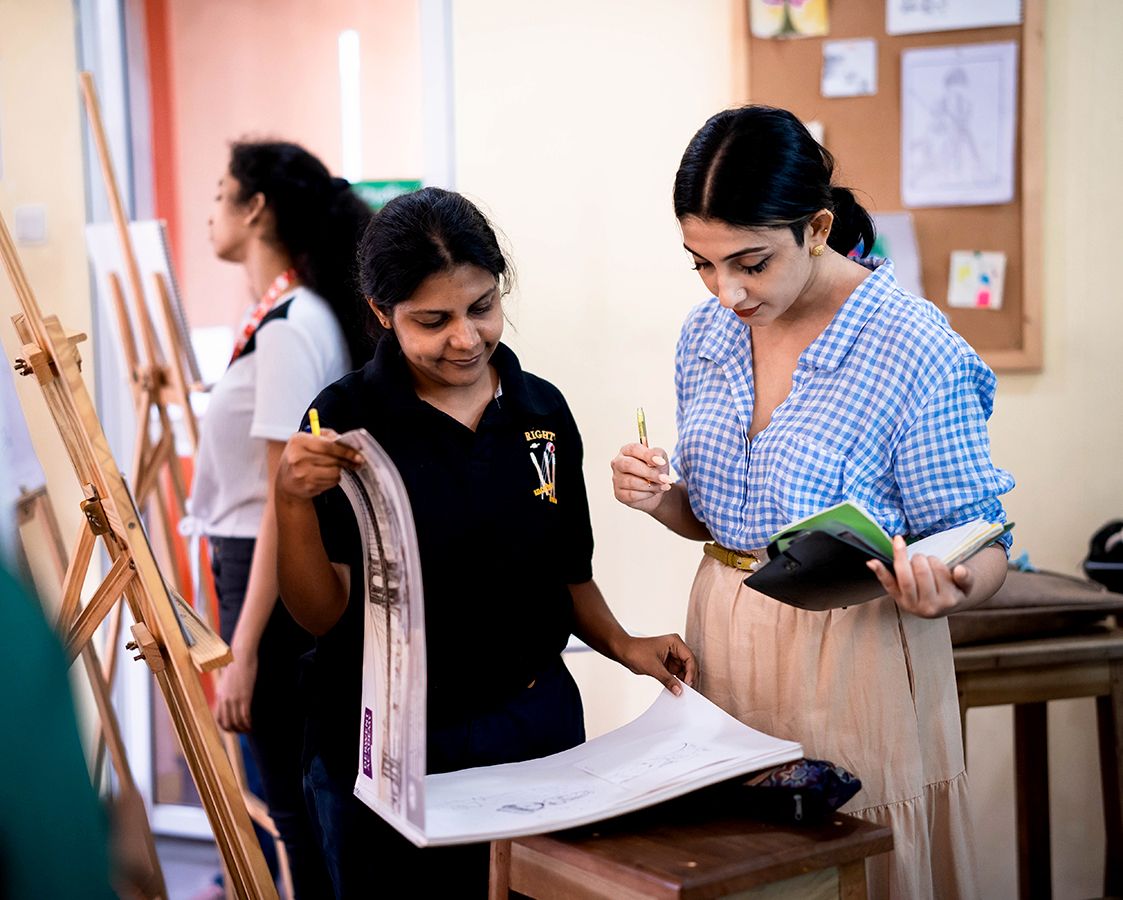
Creativity in Interior Architecture is a disciplined practice. Students develop creative voice through:
+ Structured exploration
+ Research-led experimentation
+ Formal critique sessions
+ Reflective practice
+ Cultural inquiry
Creative identity is refined through iteration, dialogue and professional feedback. This independence strengthens employability and supports long-term career adaptability.
How Learning Happens
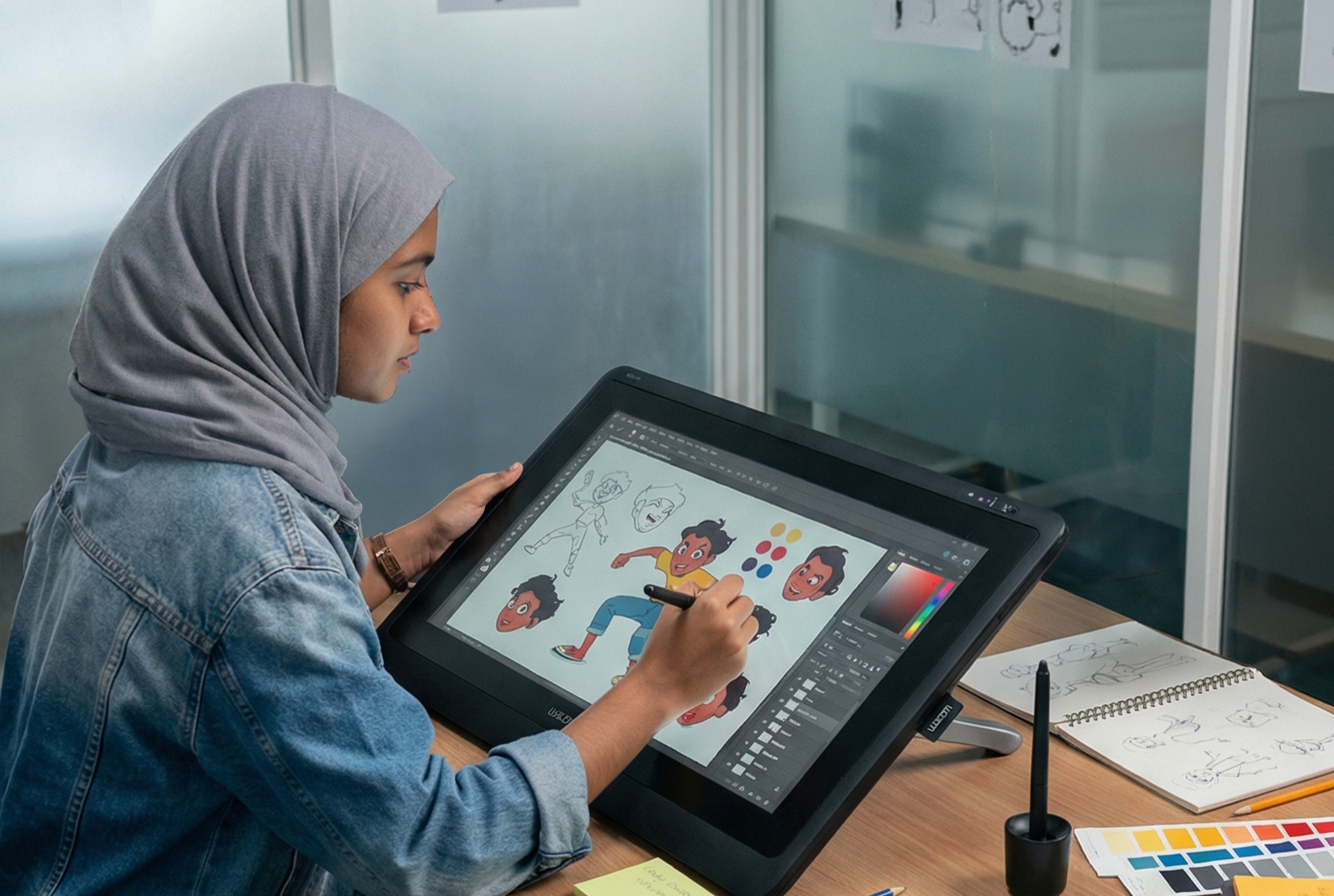
Learning takes place in a structured studio environment. Delivery includes:
+ Project-based briefs
+ Iterative development cycles
+ Regular critiques and reviews
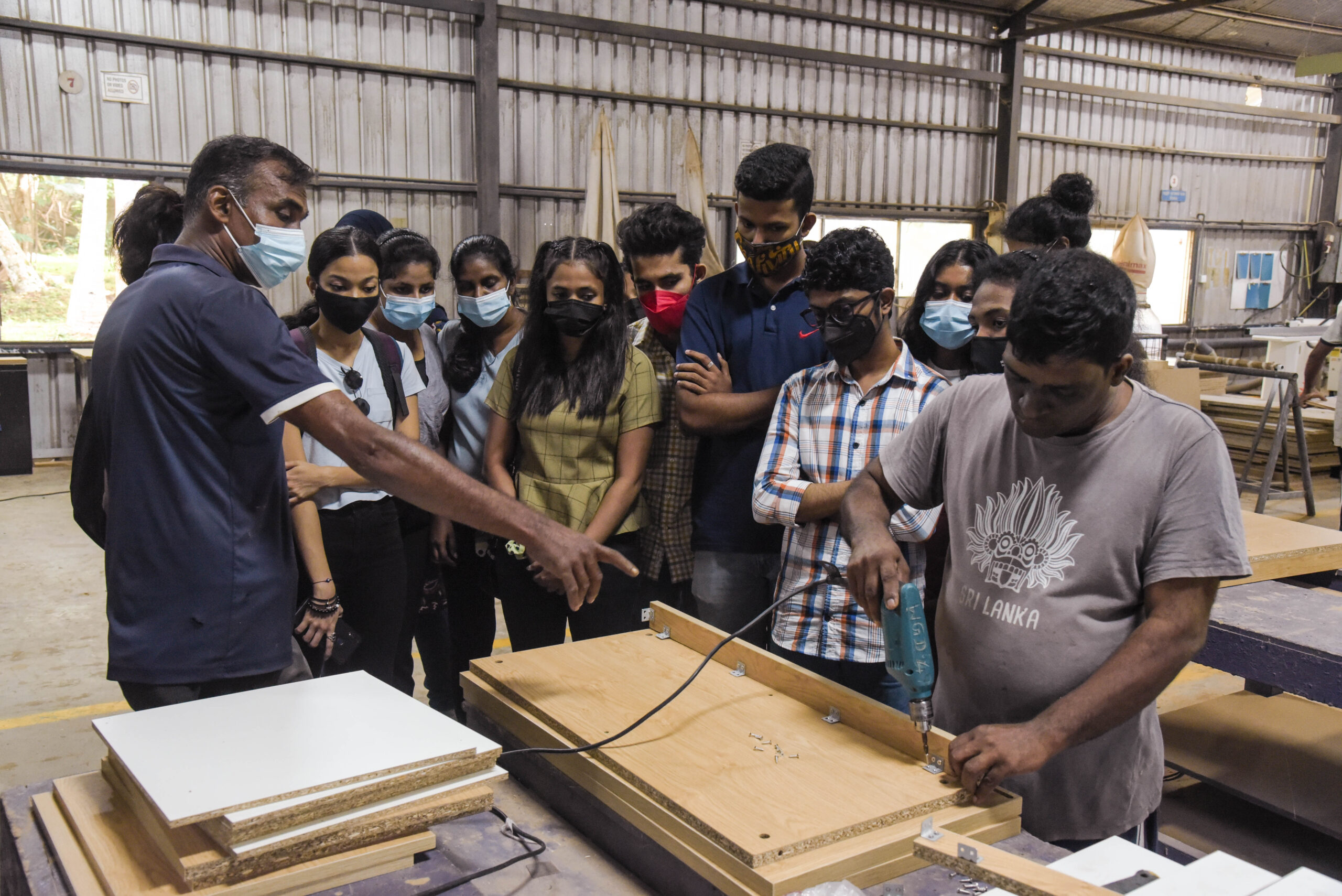
+ Model making and material experimentation
+ Digital spatial modelling
+ Process-based assessment
There are no memory-based examinations. Assessment focuses on research depth, conceptual development and professional execution.
Developing Your Creative Voice
Creativity in Interior Architecture is a disciplined practice. Students develop creative voice through:
- Structured exploration
- Research-led experimentation
- Formal critique sessions
- Reflective practice
- Cultural inquiry
Creative identity is refined through iteration, dialogue and professional feedback. This independence strengthens employability and supports long-term career adaptability.
How Learning Happens
Learning takes place in a structured studio environment.
Delivery includes:
- Project-based briefs
- Iterative development cycles
- Regular critiques and reviews
- Model making and material experimentation
- Digital spatial modelling
- Process-based assessment
There are no memory-based examinations. Assessment focuses on research depth, conceptual development and professional execution.
Dual Qualification Advantage
Students enrolled in the programme receive:
- Primary Qualification: Advanced Diploma in Interior Architecture and Spatial Design (240 Credits) awarded by AMDT School of Creativity
- Secondary Qualification: Pearson BTEC Higher National Diploma (HND) in Interior Design – Level 5 (UK RQF, 240 Credits)
Pearson provides the international academic framework and structured quality benchmark. AMDT School of Creativity provides the studio-based creative methodology and spatial design education.
Students benefit from:
+ Internationally aligned academic standards
+ Structured studio-based learning
+ Clear progression pathways

Academic Credit Framework & UK Alignment
Academic Credit Framework & UK Alignment
Our Advanced Diploma is structured as a 240-credit qualification, aligned to widely recognised UK higher education credit conventions:
120 credits = Diploma (Level 4 / HNC equivalent)
240 credits = Advanced Diploma (Level 5 / HND equivalent)
360 credits = Honours Bachelor’s Degree (Level 6)
Students who successfully complete the Advanced Diploma may progress to a related 120-credit final-year (Top-Up) honours degree, subject to the entry requirements of the degree-awarding institution.
This structure supports clear academic progression and international comparability within UK-aligned credit frameworks.
Academic Credit Framework & UK Alignment
Academic Credit Framework & UK Alignment
Our Advanced Diploma is structured as a 240-credit qualification, aligned to widely recognised UK higher education credit conventions:
120 credits = Diploma (Level 4 / HNC equivalent)
240 credits = Advanced Diploma (Level 5 / HND equivalent)
360 credits = Honours Bachelor’s Degree (Level 6)
Students who successfully complete the Advanced Diploma may progress to a related 120-credit final-year (Top-Up) honours degree, subject to the entry requirements of the degree-awarding institution.
This structure supports clear academic progression and international comparability within UK-aligned credit frameworks.
Quality Assurance, Monitoring & Continuous Enhancement
Academic quality at AMDT School of Creativity is structured, monitored, and continuously enhanced.
UK Academic Monitoring
Programmes aligned with the Pearson BTEC HND framework undergo annual external quality monitoring in accordance with UK academic standards, including:
+ Curriculum delivery review
+ Assessment verification processes
+ Internal quality assurance audits
+ Compliance with UK regulatory requirements
ISO-Aligned Institutional Standards
AMDT School of Creativity operates under management systems aligned with:
+ ISO 9001 – Quality Management Systems
+ ISO 21001 – Educational Organisations Management Systems
These frameworks ensure:
+ Transparent academic governance
+ Documented quality processes
+ Continuous improvement mechanisms
+ Student-centred institutional management
Internal Quality Enhancement
AMDT School of Creativity further maintains high standards through:
+ Academic boards and moderation panels
+ Student feedback review systems
+ Industry advisory consultation
+ Periodic curriculum evaluation and enhancement
This integrated quality system ensures that education remains creative in spirit, structured in delivery, and internationally benchmarked.
Quality Assurance, Monitoring & Continuous Enhancement
Academic quality at AMDT School of Creativity is structured, monitored, and continuously enhanced.
UK Academic Monitoring
Programmes aligned with the Pearson BTEC HND framework undergo annual external quality monitoring in accordance with UK academic standards, including:
+ Curriculum delivery review
+ Assessment verification processes
+ Internal quality assurance audits
+ Compliance with UK regulatory requirements
ISO-Aligned Institutional Standards
AMDT School of Creativity operates under management systems aligned with:
+ ISO 9001 – Quality Management Systems
+ ISO 21001 – Educational Organisations Management Systems
These frameworks ensure:
+ Transparent academic governance
+ Documented quality processes
+ Continuous improvement mechanisms
+ Student-centred institutional management
Internal Quality Enhancement
AMDT School of Creativity further maintains high standards through:
+ Academic boards and moderation panels
+ Student feedback review systems
+ Industry advisory consultation
+ Periodic curriculum evaluation and enhancement
This integrated quality system ensures that education remains creative in spirit, structured in delivery, and internationally benchmarked.
Entry requirements
To enrol in the Advanced Diploma in Visual Communication (Level 5 / HND equivalent), applicants are typically required to have:
Option 01
Successful completion of GCE A/Ls (Local or London) or an equivalent qualification.
Option 02
Completion of the AMDT School of Creativity Year 0 or Foundation Diploma qualification.
Option 03
Completion of a recognized Foundation Diploma or Level 3 qualification in any field.
Alternative Entry
Applicants without standard academic qualifications may be considered through structured alternative entry pathways, including:
+ Demonstrated Creative potential via portfolio
+ Relevant professional experience
+ Interview and academic review
All applications are reviewed in accordance with institutional quality assurance procedures.
Entry requirements
To enrol in the Advanced Diploma in Visual Communication (Level 5 / HND equivalent), applicants are typically required to have:
Option 01
Successful completion of GCE A/Ls (Local or London) or an equivalent qualification.
Option 02
Completion of the AMDT School of Creativity Year 0 or Foundation Diploma qualification.
Option 03
Completion of a recognized Foundation Diploma or Level 3 qualification in any field.
Alternative Entry
Applicants without standard academic qualifications may be considered through structured alternative entry pathways, including:
+ Demonstrated Creative potential via portfolio
+ Relevant professional experience
+ Interview and academic review
All applications are reviewed in accordance with institutional quality assurance procedures.
Frequently Asked Questions
Frequently Asked Questions
Start Your Creative Journey
Interior Architecture and Spatial Design is part of a structured academic journey aligned with UK higher education frameworks.
Students graduate with:
+ Conceptual depth
+ Cultural awareness
+ Environmental responsibility
+ Technical competence
+ Creative independence
+ Clear progression to final year Honours degree pathway
If you are ready to engage in culturally grounded, environmentally responsive and technologically aware spatial education:
Start Your Creative Journey
Interior Architecture and Spatial Design is part of a structured academic journey aligned with UK higher education frameworks. Students graduate with:
- Conceptual depth
- Cultural awareness
- Environmental responsibility
- Technical competence
- Creative independence
- Clear progression to final year Honours degree pathway
If you are ready to engage in culturally grounded, environmentally responsive and technologically aware spatial education:
Get in touch
Speak to a course advisor to get more information and assistance about the career and course you wish to learn.
Get in touch
Speak to a course advisor to get more information and assistance about the career and course you wish to learn.